Really Only One Significant Influence

By: Russ Kamp, CEO, Ryan ALM, Inc.

Managing fixed income (bonds) can be challenging as there are a plethora of risks that must be evaluated including, but not limited to, credit, liquidity, maturity/duration, yield, prepayment and reinvestment risk, etc. within the investment-grade universe. But the greatest risk – uncertainty – remains interest rate risk. Who really knows the future direction of rates? As the graph below highlights, U.S. interest rates have moved in long-term secular trends with numerous reversals along the way. Does that mean that we are headed for a protracted period of rising rates similar to what was witnessed from 1953 to 1981 or is this a head fake along the path to historically low rates?

When rates are falling, it is very good for bonds as they not only capture the coupon, but they get some capital appreciation, too. However, when rates rise, it is a very different game. Yes, rising interest rates are very good for pension funds from a liability perspective, as the present value (PV) of those future benefit payments (I.e. liabilities) is reduced, but the asset side may be hurt and not only for bonds but other asset classes as well.

No alternative text description for this image

This is the primary reason why bonds should be used for their cash flows of interest and principal and not as a performance generator. The cash flows should be used to meet monthly benefits and expenses chronologically through a cash flow matching strategy (CFM). Unfortunately, Bonds are frequently used for performance and perhaps diversification benefits while compared to a generic index, such as the BB Aggregate index, which doesn’t reflect the unique characteristics of the pension plan’s liabilities.

U.S. interest rates are presently elevated but aren’t high by historic standards. However, the current level of rates does provide the plan sponsor with a wonderful opportunity to take risk from their traditional asset allocation by defeasing a portion of the plan’s liabilities from next month out as far as the allocation will cover. While the bond portfolio is funding monthly obligations, the remaining assets can just grow unencumbered.

Given the uncertainty regarding the current inflationary environment, betting that U.S. rates will fall making a potential “investment” in bonds more lucrative is nothing short of a crapshoot. Investing in a CFM strategy helps to mitigate interest rate risk as future values are not interest rate sensitive.

Taylor-Made?

By: Russ Kamp, CEO, Ryan ALM, Inc.

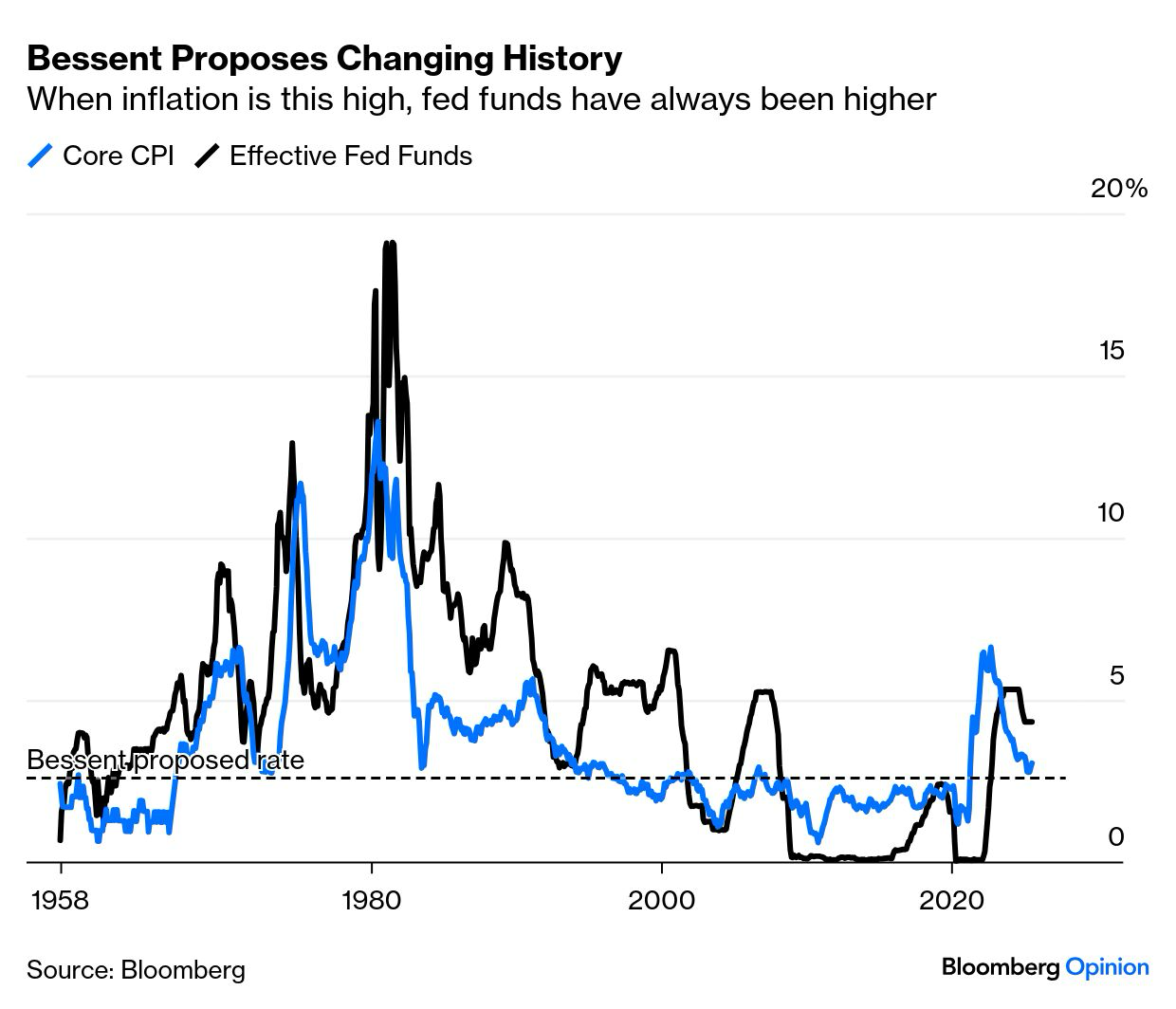
The Federal Reserve meeting notes have been published, and there seems to be little appetite among the Fed Governors to reduce U.S. interest rates at the next meeting. They continue to believe that the recently inflated tariffs and current trade policy actions could lead to greater inflationary pressures. These notes do not support the current administration’s push to see the Fed Funds Rate dropped significantly – perhaps as much as 3%.

In a very informative Bloomberg post from this morning, John Authers reminded everyone that President Trump selected Jerome Powell over John Taylor, Stanford University, in 2017 to become Chairman of the Federal Reserve. I must admit that I didn’t remember that being the case, while also not recalling that it is John Taylor who is credited with developing the Taylor Rule in 1993. When I think of famous Taylors, John isn’t at the top of my list. I might have believed that it had something to do with Lawrence Taylor’s dominance on the football field where he “ruled” for 13 Hall of Fame seasons and is considered by many the greatest defensive player in NFL history (yes, I am a Giants’ fan).

So, what is the Taylor Rule? The Taylor Rule is an economic formula that provides guidance on how central banks, such as the Federal Reserve, should set interest rates in response to changes in inflation and economic output. The rule is designed to help stabilize an economy by systematically adjusting the central bank’s key policy rate based on current economic conditions. It is designed to take the “guess work” out of establishing interest rate policy.

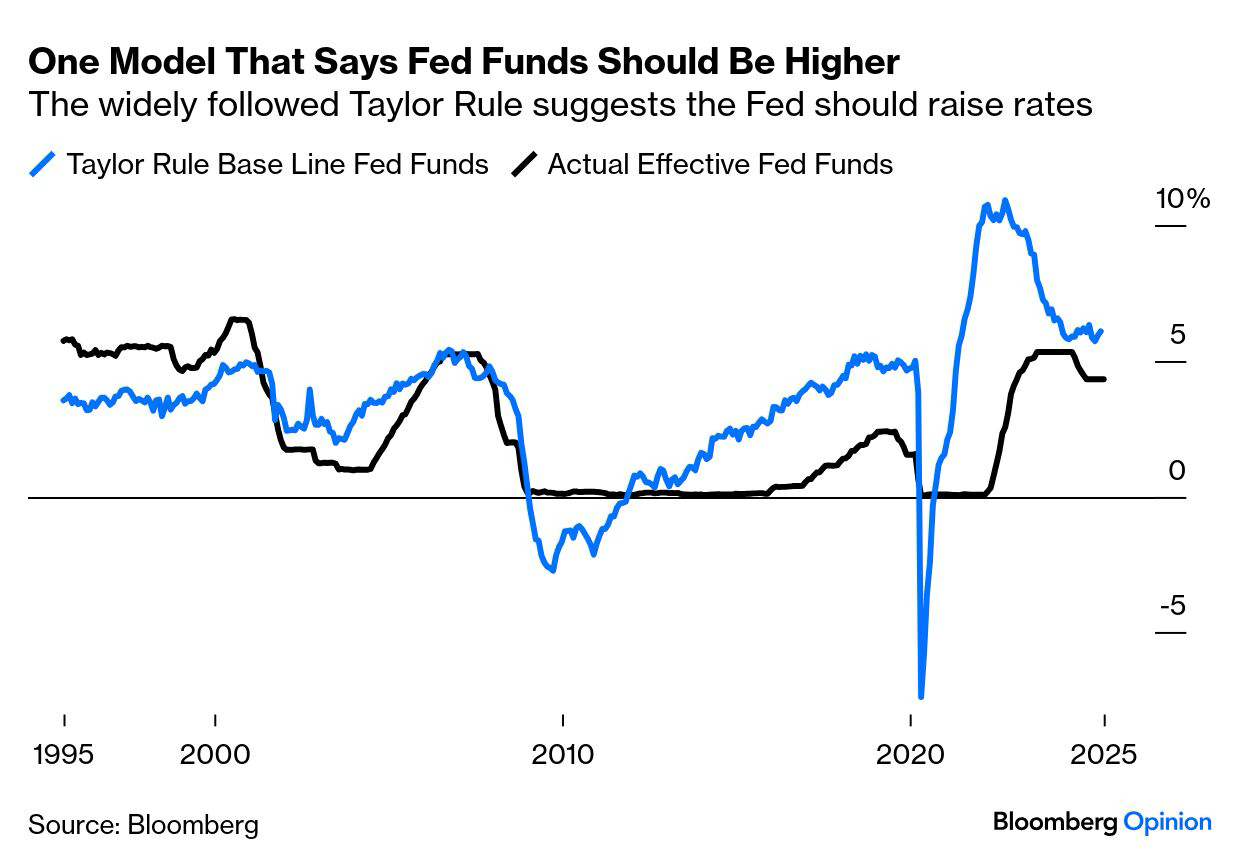
The Taylor rule suggests that the central bank should raise interest rates when inflation is above its target (currently 2%) or when GDP is growing faster than its estimated potential (overheating). Conversely, it suggests lowering interest rates when inflation is below target or when GDP is below potential (economy is underperforming). Ironically, President Trump’s dissatisfaction with Jerome Powell’s reluctance to reduce rates given significant economic uncertainty, may have been magnified by John Taylor’s model, which would have had rates higher at this time as reflected in the graph below.

As a reminder, Ryan ALM, Inc. does not forecast interest rates as part of our cash flow matching (CFM) strategy. In fact, the use of CFM to defease pension liabilities (benefits and expenses (B&E)) eliminates interest rate risk once the portfolio is built since future values (B&E) aren’t interest rate sensitive. That said, the currently higher rate environment is great for pension plan sponsors who desire to bring an element of certainty to the management of pensions which tend to live in a very uncertain existence. By funding a CFM portfolio, plan sponsors can ensure that proper liquidity is available each month of the assignment, while providing the residual assets time to grow. There are many other benefits, as well.

Since we don’t know where rates are likely to go, we highly recommend engaging a CFM program sooner rather than later before we find that lower interest rates have caused the potential benefits (cost savings) provided by CFM to fall.

Segal: Benefits of Pension De-Risking

By: Russ Kamp, CEO, Ryan ALM, Inc.

Jason Russell and Seth Almaliah, Segal, have co-authored an article titled, “Benefits of Pension De-Risking and Why Now is the Right Time”. Yes! We, at Ryan ALM, agree that there are significant benefits to de-risking a pension plan and we absolutely agree that NOW is the right time to engage in that activity.

In their article they mention that the current interest rate environment is providing opportunities to de-risk that plan sponsors haven’t seen in more than two decades. In addition to the current rate environment, they reflect on the fact that many pension plans are now “mature” defining that stage as a point where the number of retired lives and terminated vested participants is greater than the active population. They also equate mature plans to one’s that have negative cash flow, where benefits and expenses eclipse contributions. In a negative cash flow environment, market corrections can be more painful as assets must be sold to meet ongoing payments locking in losses, as a result.

They continue by referencing four “risk reducing” strategies, including: 1) reducing Investment Volatility, 2) liability immunization, 3) short-term, cash flow matching, and 4) pension risk transfers. Not surprisingly, we have some thoughts about each.

  1. Reducing investment volatility – Segal suggests in this strategy that plan sponsors simply reduce risk by just shifting assets to “high-quality” fixed income. Yes, the annual standard deviation of an investment grade bond portfolio with a duration similar to that of the BB Aggregate would have a lower volatility than equities, but it continues to have great uncertainty since bond performance is driven primarily by interest rates. Who knows where rates are going in this environment?
  2. Liability Immunization – The article mentions that some plan sponsors are taking advantage of the higher rate environment by “immunizing” a portion of the plan’s liabilities. They describe the process as a dedicated portfolio of high-quality bonds matched to cover a portion of the projected benefits. They mentioned that this strategy tends to be long-term in nature. They also mention that because it is “longer-term” it carries more default risk. Finally, they mentioned that this strategy may lose some appeal because of the inverted yield curve presently observed. Let me comment: 1) Immunization is neither a long-term strategy or a short-term strategy. The percentage of liabilities “covered” is a function of multiple factors, 2) yes, immunization or cash flow matching’s one concern when using corporate bonds is default risk. According to S&P, the default rate for IG bonds is 0.18% for the last 40-years, and 3) bond math tells us that the longer the maturity and the higher the yield, the lower the cost. Depending on the length of the assignment, the current inverted yield curve would not provide a constraint on this process. Finally, CFM is dependent on the actuary’s forecasts of contributions, benefits, and expenses. Any change in those forecasts must be reflected in the portfolio. As such, CFM is a dynamic process.
  3. Short-term, cash flow matching CFM is the same as immunization, whether short-term or not. Yes, it is very popular strategy for multiemployer plans that received Special Financial Assistance (SFA) under ARPA for obvious reasons. It is a strategy that SECURES the promised benefits at both low cost and with prudent risk. It maximizes the benefit coverage period with the least uncertainty.
  4. Pension Risk Transfers (PRT) – In a PRT, the plan sponsor transfers a portion of the liabilities, if not all of them, to an insurance company. This is the ultimate risk reduction strategy for the plan sponsor, but is it best for the participant? They do point out that reducing a portion of the liabilities will also reduce the PBGC premiums. But, does it impact the union’s ability to retain and attract their workers?

We believe that every DB pension plan should engage in CFM. The benefits are impressive from dramatically improving liquidity, to buying time for the growth (non-CFM bonds) assets, to eliminating interest rate risk for those assets engage in CFM, to helping to stabilize contributions and more. Focusing 100% of the assets on a performance objective only guarantees volatility. It is time to adopt a new strategy before markets once again behave badly. Don’t waste this wonderful rate environment.

Thank you, Segal, for your thoughtful piece.

U.S. $ Decline and the Impact on Inflation

By: Russ Kamp, CEO, Ryan ALM, Inc.

As I was contemplating my next blog post, I took a look at how many of my previous >1,625+ posts mentioned currencies, and specifically the U.S. $. NEVER had I written about the U.S. $ other than referencing the fact that we enjoy the benefit of a fiat currency. I did mention Bitcoin and other cryptos, but stated that I didn’t believe that they were currencies and still don’t. Why mention them now? Well, the U.S. $ has been falling relative to nearly all currencies for most of 2025. According to the WSJ’s Dollar Index (BUXX), the $ has fallen by 8.5% for the first half of 2025.

Relative to the Euro, the $ has fallen nearly 14% and the trend isn’t much better against the Pound (-9.6%) and the Yen (-8.7%). So, what are the implications for the U.S. given the weakening currency? First, the cost of imports rises. When the $ loses value, it costs more to buy goods and services from abroad. The likely outcome is that the increased costs get passed onto the consumer, who is already dealing with the implications from uncertain tariff policies.

Yes, exports become cheaper, which would hopefully increase demand for our goods, but the heightened demand could also lead to greater demand for U.S. workers in order to meet that demand leading to rising wages (great), but that is also potentially inflationary.

What have we seen so far? Well, first quarter’s GDP (-0.5%) reflected an increase in imports spurred on by fear of price increases due to the potential for tariffs. Q2’25 is currently forecasted to be 2.5% according to the Atlanta Fed’s GDPNow model, as U.S. imports have fallen. According to the BLS, import prices have risen in 4 of 5 months in 2025, with March’s sharp decline the only outlier.

The potential inflationary impact from rising costs could lead to higher U.S. interest rates, which have been swinging back and forth depending on the day of the week and the news cycle. Furthermore, there is fear that the proposed “Big Beautiful Bill” could also drive rates higher due to the potential increase in the federal deficit by nearly $5 trillion due to the stimulative nature of deficits. Obviously, higher U.S rates are great for individual savers, but they don’t help bonds as principal values fall.

We recommend that plan sponsors and their advisors use bonds for the cash flows (interest and principal) and not as a performance driver. Use the fixed income exposure as a liquidity bucket designed to meet monthly benefits and expenses through the use of Cash Flow Matching (CFM), which will orchestrate a careful match of asset cash flows funding the projected liabilities cash flows. The remaining assets (alpha bucket) now benefit from time, as the investment horizon is extended.

Price increases on imports due to a weakening $ can impact U.S. inflation, but there are other factors, too. I’ve already mentioned tariffs and wage growth, but there other factors, including productivity and global supply chains. Some of these drivers may take more time to hash out. There are many uncertainties that could potentially impact markets, why not bring an element of certainty to your pension fund through CFM.

There Is No “Standard” Exposure

By: Russ Kamp, CEO, Ryan ALM, Inc.

I recently attended a public pension conference in which the following question was asked: What is the appropriate weighting to emerging markets? There may be an average exposure that results from a review of all public fund data, but there is NO such thing as an appropriate or standard weight. Given that every defined benefit plan has its own unique liabilities, funded status, ability to contribute, etc., how could there be a standard exposure to any asset class, let alone emerging markets.

I’m sure that this question originates through the belief that the pension objective is to achieve a return on asset (ROA) assumption. That there is some magic combination of assets and weightings that will enable the pension plan to achieve the return target. However, as regular readers of this blog know, we, at Ryan ALM, think that the primary objective when managing a DB pension plan is NOT a return objective but it is to SECURE the promised benefits at a reasonable cost and with prudent risk.

Pursuing a performance (return) objective guarantees volatility, as the annual standard deviation for a pension plan is roughly 12%-15%, but not success in meeting the funding objective. Refocusing on the liabilities secures, through cash flow matching, the monthly promises from the first month out as far as the allocation will cover. Through this process the necessary liquidity is provided each month, while also extending the investing horizon for the remainder of the assets that are no longer needed as a source of liquidity. We refer to these residual assets as the alpha or growth assets, that now can grow unencumbered.

This growth bucket can be invested almost anyway that you want. You can decide to just buy the S&P 500 index at low fees or construct a more intricate asset allocation with exposures and weightings of your choice. There is no one size fits all solution. We do suggest that the better the funded ratio/status of your plan, the greater the allocation to the liquidity assets. If your plan is less well funded today, start with a more modest CFM portfolio, and expand it as funding levels improve. In any case, you are bringing an element of certainty to what has been historically a very uncertain process.

So, please remember that every DB plan is unique. Don’t let anyone tell you that your fund needs to have X% in asset class A or Y% in asset class B. Securing the benefits should be the most important decision. How you build the alpha portfolio will be a function of so many other factors related specifically to your plan.

Problem/Solution: Generic Indexes

By: Ronald J. Ryan, CFA, Chairman, Ryan ALM, Inc.

We challenge you to find Pension Liabilities in any Generic Bond Index. We’re confident that you won’t. As a result, we’ve developed an appropriate solution, which we call the Custom Liability Index (CLI).

Pension liabilities (benefits and expenses (B+E)) are unique to each plan sponsor… different workforces, different longevity characteristics, different salaries, benefits, expenses, contributions, inflation assumptions, plan amendments, etc. To capture and calculate the true liability objective, the Ryan team created the first CLI in 1991 as the proper pension benchmark for asset liability management (ALM). We take the actuarial projections of (B+E) for each client and then subtract forecasted Contributions since contributions are the initial source to fund B+E. This net total becomes the true liability cash flows that assets have to fund. We then calculate the monthly liability cash flows as (B+E) – C. The CLI is a monthly report that includes the calculations of:

  • Net future values broken out by term structure
  • Net present values broken out by term structure
  • Total returns broken out by term structure
  • Summary statistics (yield, duration, etc.)
  • Interest rate sensitivity 

We recommend that the Ryan ALM CLI be installed as the index benchmark for total assets, as well as any bond program dedicated to matching assets and liabilities. This action should be the first step in asset allocation. The CLI can be broken out into any time segment that bond assets are directed to fund (i.e. 1-3 years, 1-10 years, etc.). Moreover, total assets should be compared versus total liabilities to know if the funded ratio and funded status have improved over time. If all asset managers outperform their generic index benchmarks but lose to liability growth rate the pension plan loses and must pay a higher contribution.   

Since the CLI is a monthly report, plan sponsors can compare assets versus liabilities monthly. Furthermore, we suggest that there should never be an investment update of just assets versus assets (generic index benchmarks), which unfortunately is common practice today. It is hard to understand in today’s sophisticated finance world why liabilities are missing as a pension index. It should be clear that no generic bond index could ever properly represent the liability cash flows that assets are required to fund. It is apples versus oranges, at a minimum. 

“Given the wrong index benchmark… you will get the wrong risk/reward”

For more info on the Ryan ALM CLI please contact Russ Kamp, CEO at  rkamp@ryanalm.com

ARPA Update as of June 20, 2025

By: Russ Kamp, CEO, Ryan ALM, Inc.

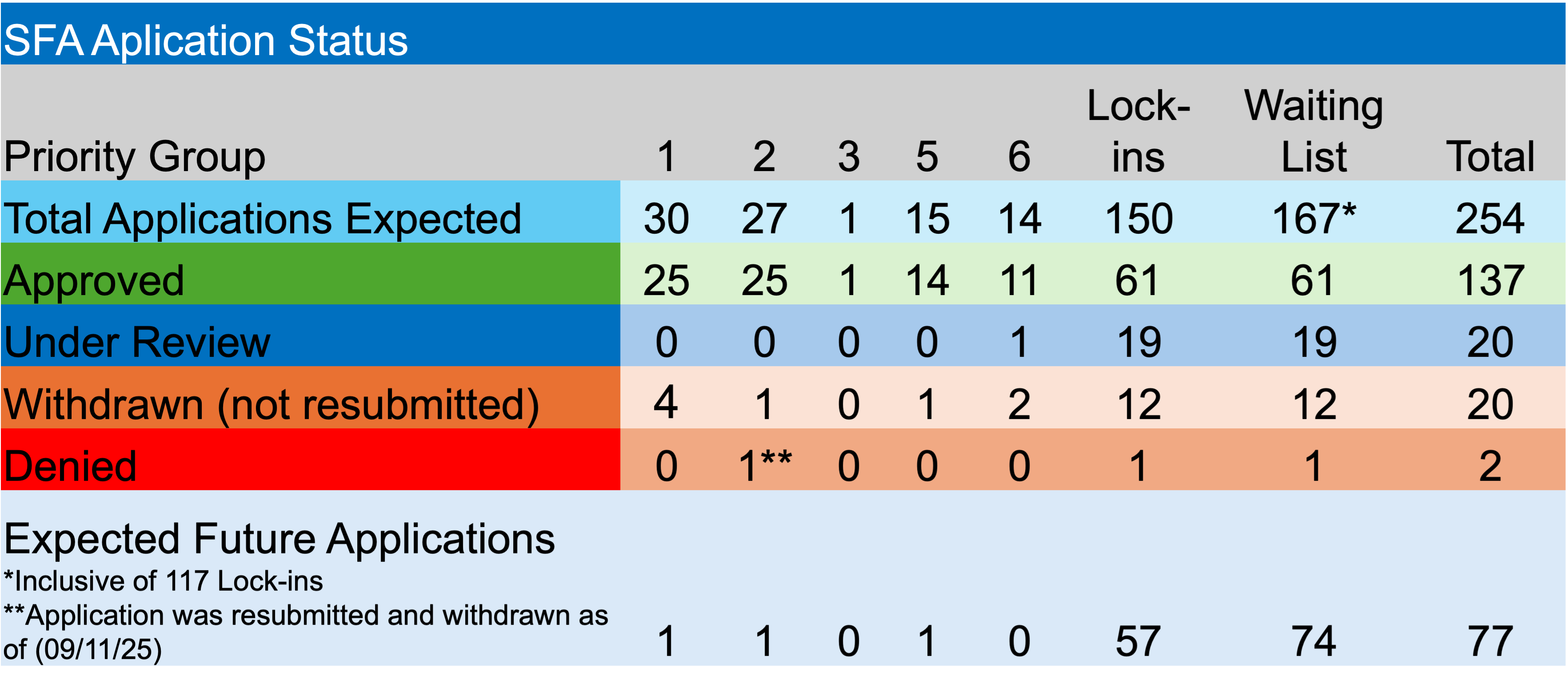
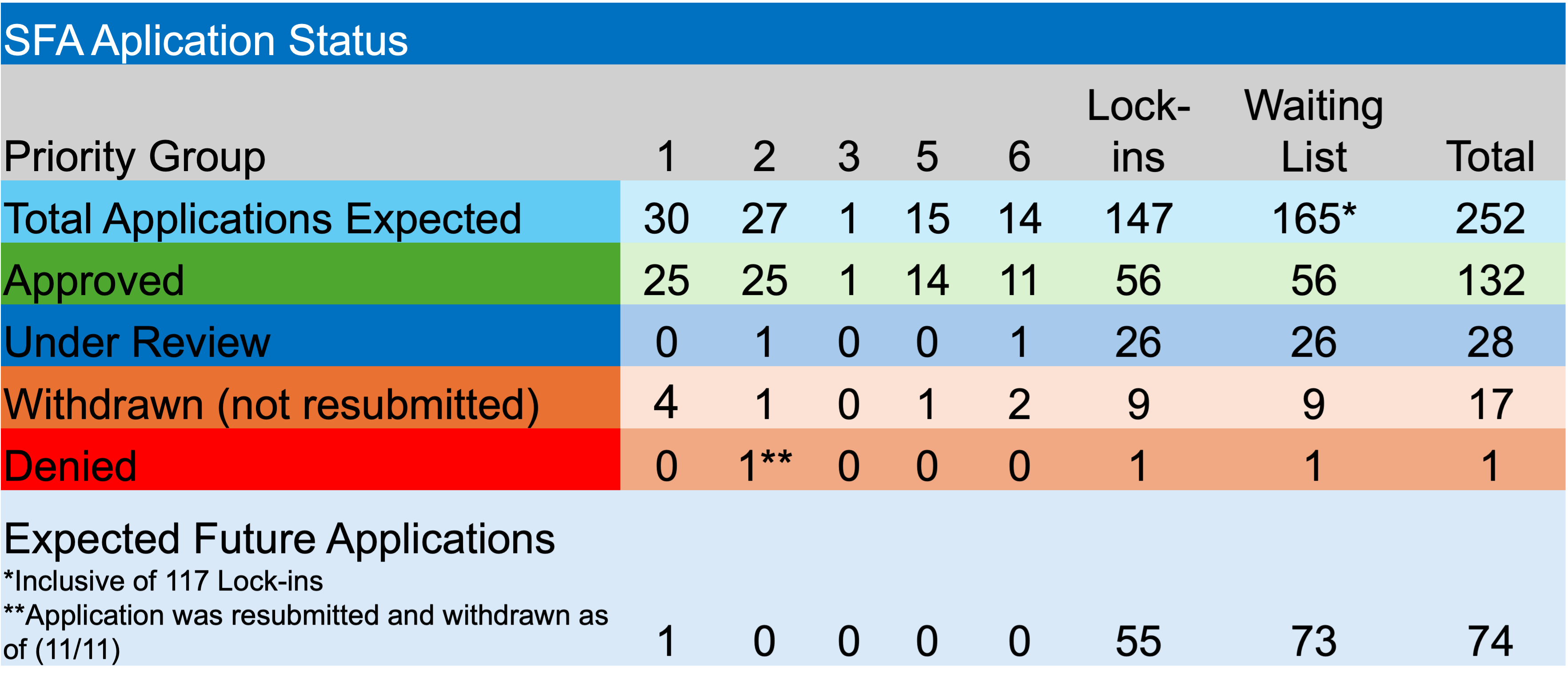
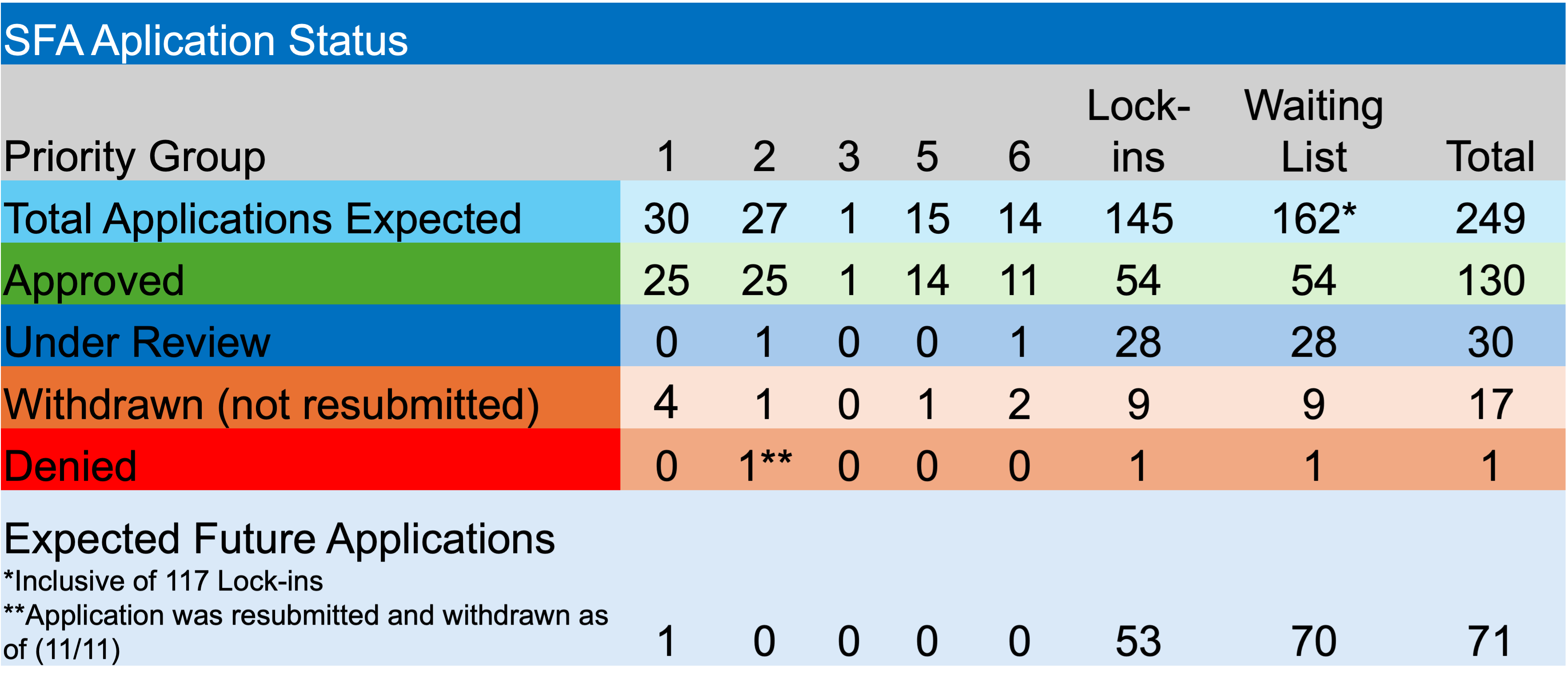
Despite the chaotic nature of our markets and geopolitics, it is comforting that I can report weekly on the progress being made by the PBGC implementing the critical ARPA legislation. That is not to say, that the 2nd Circuit’s recent ruling isn’t creating a bit of chaos, too.

Regarding last week’s activity, the PBGC’s efiling portal must have been wide open, as they accepted initial applications from 5 pension plans residing on the waitlist. The PBGC will now have 120-days to act on these submissions.

There were no applications approved, denied, or withdrawn last week, but that isn’t to say that the PBGC rested on its laurels. There were two more plans that repaid a portion of the SFA received, as census errors were corrected. International Association of Machinists Motor City Pension Plan and Western States Office and Professional Employees Pension Fund repaid 1.61% and 1.08% of the SFA, respectively. In total, 57 plans have “settled” with the PBGC, including four funds that had no census errors. To date, $219 million was repaid from grants exceeding $48 billion or 0.45% of the grant.

In other ARPA news, another 16 funds have been added to the waitlist resulting from the 2nd Circuit’s determination that previously terminated plans can seek SFA. We do believe that it will prove beneficial for these plans, but it will stress the resources of the PBGC to meet ARPA imposed deadlines.

Given the highly unpredictable nature of war and tariffs on inflation and U.S interest rates, it isn’t surprising that the U.S. Federal Reserve held the Fed Funds Rate steady last week. We encourage those plans receiving SFA grants to secure the promised benefits through a cash flow matching strategy. Who knows how markets will impact bonds and stocks for the remainder of the year.

$6 billion – Is That All?

By: Russ Kamp, CEO, Ryan ALM, Inc.

A recent ruling by the 2nd Circuit has opened the door for roughly 100+ multiemployer plans to pursue Special Financial Assistance (SFA) that were originally deemed ineligible because the plans had terminated. The PBGC’s inspector general, in a “risk advisory”, has estimated that the cost to provide the SFA to these newly eligible plans could be as much as $6 billion. Is that all? Let’s not focus on the $s, but the number of American workers and their families that this additional expenditure will support.

As I reported last week in my weekly update related to ARPA’s pension reform, the PBGC had denied the application for the Bakery Drivers Local 550 and Industry Pension Fund, a New York-based terminated pension plan, because it had terminated. The plan covered 1,094 participants in 2022 and was 6.3% funded, according to their Form 5500. Regrettably, the plan terminated in 2016 by mass withdrawal after Hostess Brands, Inc., its largest contributor, went bankrupt. However, the court stated, that despite terminating in 2016, the plan “continued to perform audits, conduct valuations, file annual reports, and make payments to more than 1,100 beneficiaries.”

As of June 13, 2025, the PBGC had already received 223 applications for SFA with $73.0 billion approved supporting the retirements for 1.75 million American workers. What an incredible outcome! However, according to the inspector general’s letter, the potential $6 billion in added cost would include $3.5 billion to repay the PBGC’s earlier loans to approximately 91 terminated plans, which was described as a “potential waste”. He went on to state that the potential repayment to the PBGC would be a waste of taxpayer funds due to the positive current and projected financial condition of the multiemployer program. “PBGC’s multiemployer program is in the best financial condition it has been in for many years. PBGC’s 2023 Projections Report states that PBGC’s multiemployer program is projected to ‘likely remain solvent for at least 40 years.’” GREAT!

Perhaps the repayment of $3.5 billion in loans could enable the PBGC to lower the annual premiums on the cost to insure each participant, which might keep some plans from seeking termination due to excessive costs to administer the program. Something needs to be done with private DB plans, too, as those costs per participant are far greater, but that’s a story for another blog post.

As regular readers of this blog know, we’ve celebrated the success of this program since its inception (July 2021). The fact that 1.75 million American workers to date have had their promised benefits secured, and in some cases, restored, is wonderful. Think of the economic impact that receiving and spending a monthly pension check has on their communities. Furthermore, think about what the cost would have been for each of these folks had the Federal government been needed to provide social services. None of these workers/retirees did anything wrong, yet they bore the brunt.

The estimated $6 billion in additional “investment” in American workers is a drop in the bucket relative to the annual budget deficit, which has been running from $1-$2 trillion annually. Restoring and supporting the earned retirement benefits is the right thing to do.

Why? – Revisited

By: Russ Kamp, CEO, Ryan ALM, Inc.

My 44-year career in the investment industry has been focused on DB pension plans, in roles as both a consultant and an investment manager (I’ve also served as a trustee). I’ve engaged in 000s of conversations related to the management of DB pension plans covering the good, the bad, and even the ugly! I’ve published more than 1,600 mostly pension-related posts on this blog with the specific goal to provide education. I hope that some of my insights have proven useful. Managing a DB pension plan, whether a private, public, or a multiemployer plan is challenging. As a result, I’ve always felt that it was important to challenge the status quo with the aim to help protect and preserve DB pensions for all.

Unfortunately, I continue to think that many aspects of pension management are wrong – sorry. Here are some of the concerns:

  • Why do we have two different accounting standards (FASB and GASB) in the U.S. for valuing pension liabilities?
  • Why does it make sense to value liabilities at a rate (ROA) that can’t be purchased to defease pension liabilities in this interest rate environment?
  • Why do we continue to create an asset allocation framework that only guarantees volatility and not success?
  • Why do we think that the pension objective is a return objective (ROA) when it is the liabilities (benefits) that need to be funded and secured?
  • Why haven’t we realized that plowing tons of plan assets into an asset class/strategy will negatively impact future returns?
  • Why are we willing to pay ridiculous sums of money in asset management fees with no guaranteed outcome?
  • Why is liquidity to meet benefits an afterthought until it becomes a major issue?
  • Why does it make sense that two plans with wildly different funded ratios have the same ROA?
  • Why are plan sponsors willing to live with interest rate risk in the core bond allocations?
  • Why do we think that placing <5% in any asset class is going to make a difference on the long-term success of that plan?
  • Why do we think that moving small percentages of assets among a variety of strategies is meaningful?
  • Why do we think that having a funded ratio of 80% is a successful outcome?
  • Why are we incapable of rethinking the management of pensions with the goal to bring an element of certainty to the process, especially given how humans hate uncertainty?

WHY, WHY, WHY?

If some of these observations resonate with you, and you are as confused as I am with our current approach to DB pension management, try cash flow matching (CFM) a portion of your plan. With CFM you’ll get a product that SECURES the promised benefits at low cost and with prudent risk. You will have a carefully constructed liquidity bucket to meet benefits and expenses when needed – no forced selling in challenging market environments. Importantly, your investing horizon will be extended for the growth (alpha) assets that haven’t been used to defease liabilities. We know that by “buying time” (extending the investment horizon) one dramatically improves the probability of a successful outcome.

Furthermore, your pension plan’s funded status will be stabilized for that portion of the assets that uses CFM. This is a dynamic asset allocation process that should respond to improvement in the plan’s funded status. Lastly, you will be happy to sit back because you’ve SECURED the near-term liquidity needed to fund the promises and just watch the highly uncertain markets unfold knowing that you don’t have to do anything except sleep very well at night.

Eligible For SFA

By: Russ Kamp, CEO, Ryan ALM, Inc.

Regular followers of this blog know that I provide a weekly update on the ARPA pension legislation and the PBGC’s progress implementing this critical support for multiemployer pension plans. We reported way back in January 2023 that the Bakery Drivers Local 550 and Industry Pension Fund’s application seeking Special Financial Assistance (SFA) had been denied due to ineligibility. We also reported that the Bakery Drivers had submitted a revised application on May 30, 2025. We observed at the time that unlike all the other applications that had been submitted, this one did not have a 120-day window for the PBGC to act on the submission. We now know why.

The Bakers were cooking up an argument that was presented to the courts on why their application seeking SFA was appropriate and they were right. “The U.S. 2nd Circuit Court of Appeals says that a multiemployer pension plan that qualifies for a grant under the Pension Benefit Guaranty Corporation’s (PBGC) Special Financial Assistance (SFA) program cannot be excluded just because that plan was previously terminated.”

“Because we do not read the pertinent provision of the SFA statute to exclude plans based solely on a prior termination,” the court ruled, the plan should be eligible for a SFA grant. As a result, the court ruled in favor of the fund, “vacated the PBGC’s denial and remanded the application to the PBGC for reconsideration.”

A little history. The Bakery Drivers Local 550 and Industry Pension Fund, a fund based in Floral Park, NY. The plan covered 1,094 participants in 2022 and was 6.3% funded, according to their Form 5500. Regrettably, the plan terminated in 2016 by mass withdrawal after Hostess Brands, Inc., its largest contributor, went bankrupt. However, the court stated, that despite terminating in 2016, the plan “continued to perform audits, conduct valuations, file annual reports, and make payments to more than 1,100 beneficiaries.”

The court ruled that the statute said that any multiemployer plan that was in critical and declining status from 2020 to 2022 was potentially eligible, and the plan was in critical and declining status in Sept. 2022 when it applied. Importantly, “these provisions do not, by their terms, exclude a plan that was terminated by mass withdrawal.”

According to the PBGC’s status of applications weekly report, the United Food and Commercial Workers Unions and Employers Pension Plan, a non-priority group member, is the only other applicant to have its submission denied due to ineligibility. I wonder if they will have a similar argument as the Bakery Drivers. More to come.