What A Ride!

By: Russ Kamp, Managing Director, Ryan ALM, Inc.

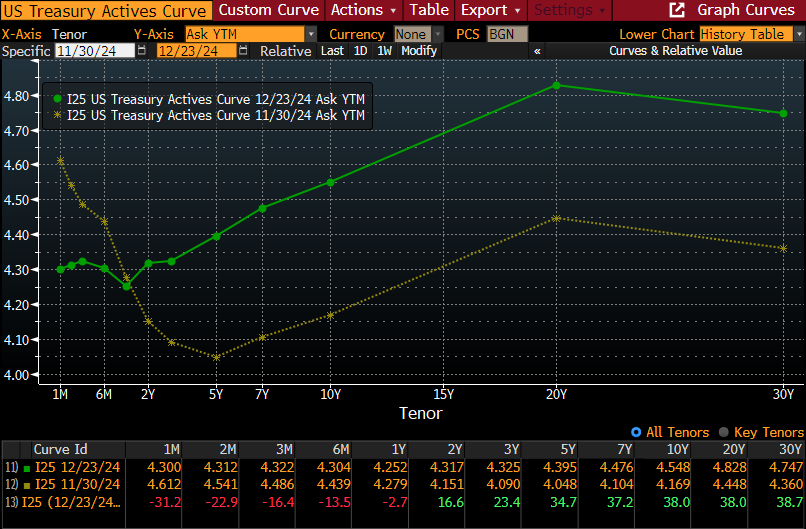
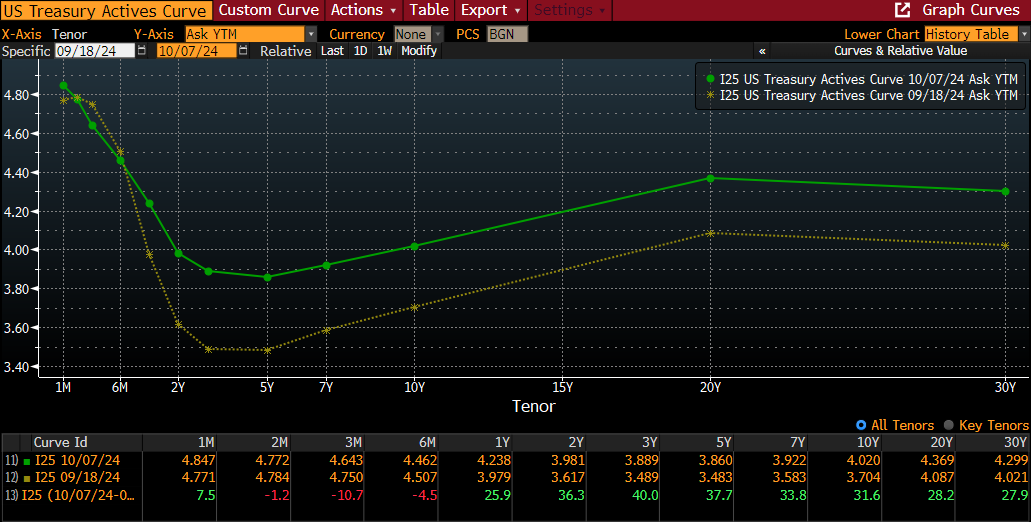
In 1971, Bread produced the song If. The song starts off with David Gates singing the lyrics, “if a picture paints a thousand words”. Looking at the graph below, I think that Bread and David could have used a number far greater than 1,000 to describe the impact that this picture might produce.

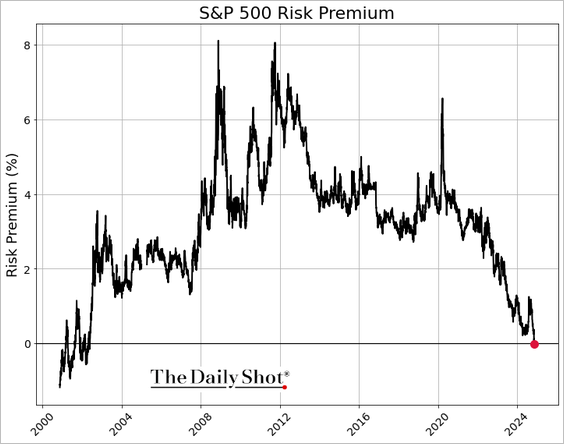
It never ceases to amaze me how momentum builds for an idea driving perceptions to depths or altitudes not supported by the underlying fundamentals. We see it so often in our markets whether discussing bonds, equities, or alternatives. In the case above, the “Street” became convinced that the US Federal Reserve was going to have to drive US interest rates down as our economy was about to collapse. A “please do something” cry could almost be heard from market participants who thrived on nearly four decades of Fed support. They were so accustomed to the Fed stepping in anytime that there was a wobble in the markets that it became part of the investment strategy.

It got so silly, that fixed income managers drove rates down substantially from the end of October to the end of 2023. In the process, they created an environment that was once again very “easy” and supportive of economic growth. But, that wasn’t the end of the story. I can recall a near unanimous expectation that there was going to be anywhere from 4-6 cuts in the Fed Funds Rate and perhaps more during 2024. We had analysts predicting 250 – 300 bps of rate cuts. Was the world ending?

I’ve produced more than 40 blog posts since March of 2022 that used the phrase “higher for longer” in describing an economic and inflationary environment that I felt was to robust for the Fed to reduce rates. Of course, there were many more posts in which I questioned the wisdom of the deflationary and lower rates crowd where I didn’t precisely utter those three words. Well, fortunately for pension America and the American worker, the US economy has held up in far greater fashion than predicted. The labor market remains fairly robust keeping Americans working and spending.

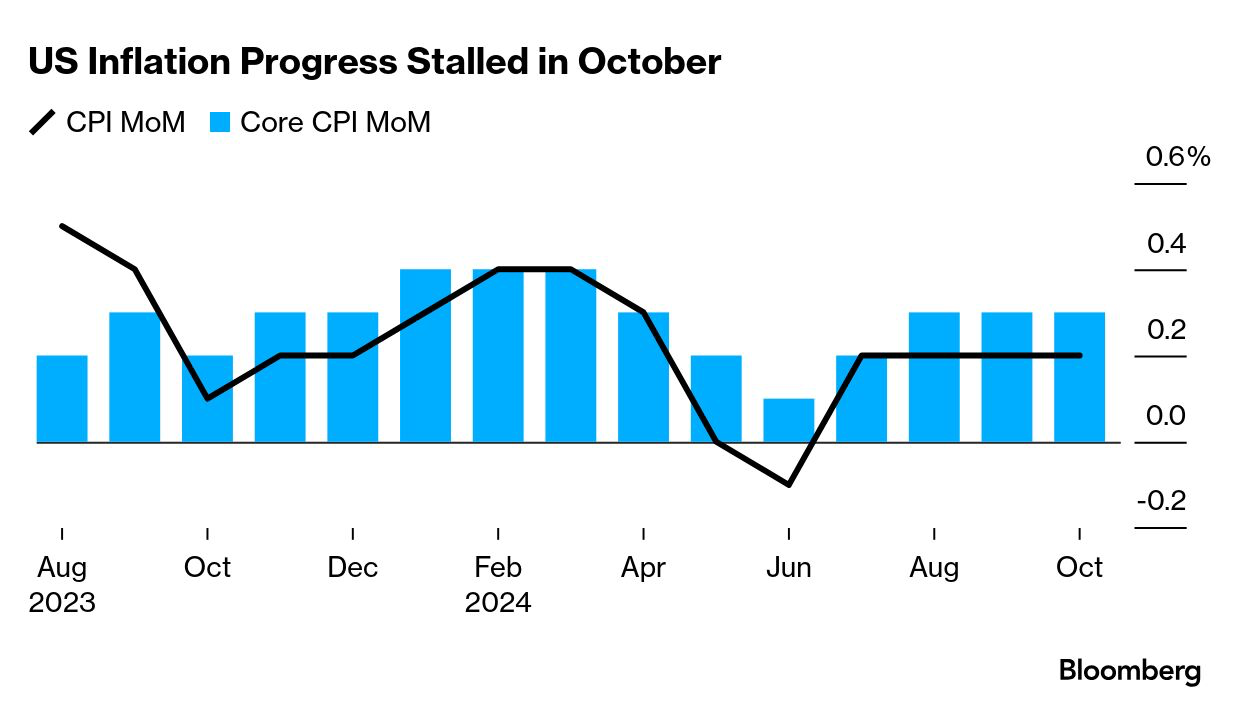
While inflation remains sticky and elevated, US rates have remained at decade highs providing defined benefit sponsors the opportunity to take substantial risk from the plan’s asset allocation framework through asset/liability strategies (read Cash Flow Matching) that secure the promises at substantially lower cost. As the chart above highlights, expectations for rate cuts have fallen from 4-6 or more to fewer than 2 at this point, as only a -31 bps decline is currently priced in. We’ve seen quite a repricing in 2024, and I suspect that we might need to see more, as “higher for longer” seems to be the approach being taken by the Fed.

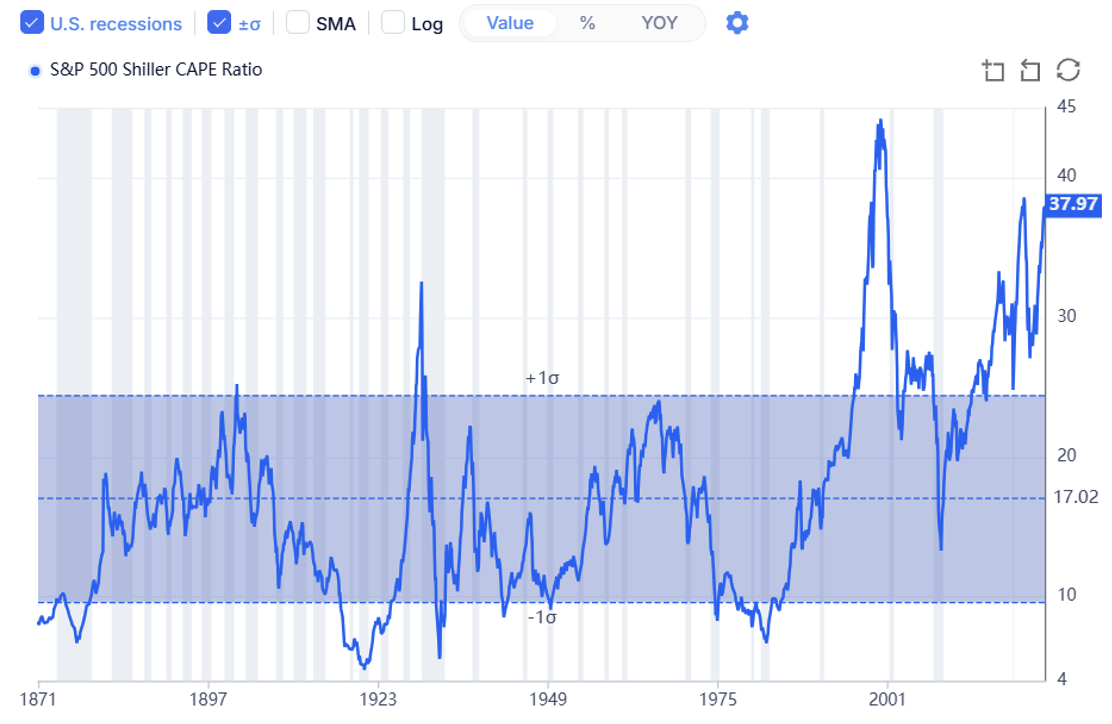
While this is the case, plan sponsors would be wise to secure as many years of promised benefits as possible. Plan sponsors and their advisors let 2000 come and go without securing the benefits only to see two major market declines sabotage the opportunity and your plan’s funded status. Riding the asset allocation rollercoaster hasn’t worked. Is the car that you are riding in nearing the peak at this time?

What’s The Hurry?

By: Russ Kamp, Managing Director, Ryan ALM, Inc.

“Fed To Cut Rates in September, Say Nearly Two-thirds of Economists.”

This pronouncement was in large bold font on an email that I received this morning from the Wealth Advisor. Should I be skeptical? You bet!!

As you may recall, there was near unanimity among “economists” late last year that the US Federal Reserve would begin reducing rates RAPIDLY as the calendar flipped to 2024. In fact, consensus was fairly strong that there were going to be 4-6 cuts of between 1.0%-1.5%. There was even a leading bank that saw the need to reduce rates by 2.5% – oh, my. What happened? At this time I’m particularly interested in the 1/3 of economists that were predicting huge cuts at the end of 2023 that aren’t buying a September cut at this time. Those are the ones that I want to hear from.

What has changed from late last year when the labor market was strong, inflation was sticky, economic growth was stronger than expected, the stock market was raging ahead, and fiscal policy was in direct conflict with the Fed’s monetary objectives? Nothing has changed!

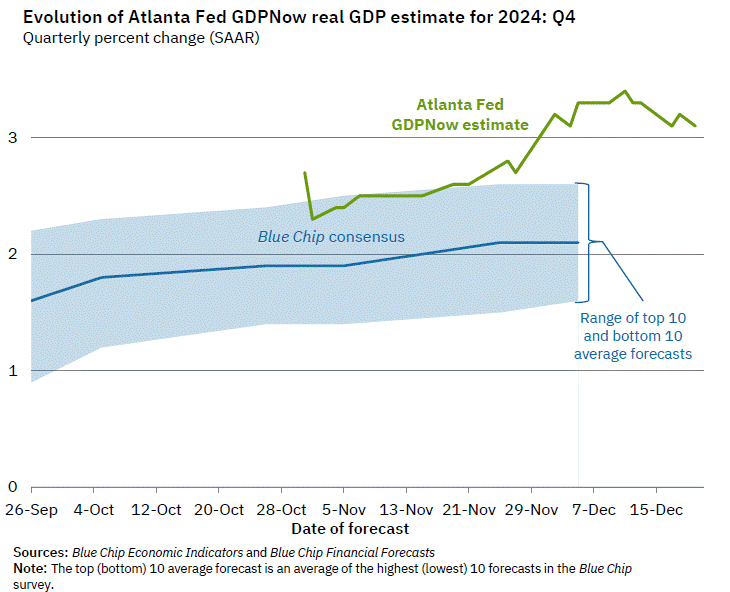
What is the urgency to cut rates? The Atlanta Fed’s GDPNow model is predicting a 4.2% annualized growth rate for Q2’24 (latest update as of May 8th). Does a growth rate of that magnitude warrant a rate cut? Heck no! Yes, there is the issue that most of today’s investors don’t remember the 1970s, if they were even born, but I do. Fed missteps lead directly to incredibly high inflation and US interest rates. Today’s rate environment is nothing compared to that era. Why risk a repeat? Stagflation became a reality. Is that something that you want to witness again?

Seniors and those living on a fixed income can finally earn some interest on their investments without having to dive into strategies that they don’t understand just to earn a little more interest. Pension plans can finally use fixed income to secure some or all of their promises to plan participants by matching bond cash flows of interest and principal with pension liabilities (benefits and expenses). Endowments and foundations can invest more cautiously knowing that they can earn a return from less risky assets that will help them achieve a return commensurate with their spending policy. This is all good stuff! Use this environment to take some of your assets off the asset allocation rollercoaster before our capital markets reach the apex of their journey. The next downward trajectory could be a doozy!

How “Real” Will the Fed Get?

By: Ronald J. Ryan, CEO, Ryan ALM, Inc.

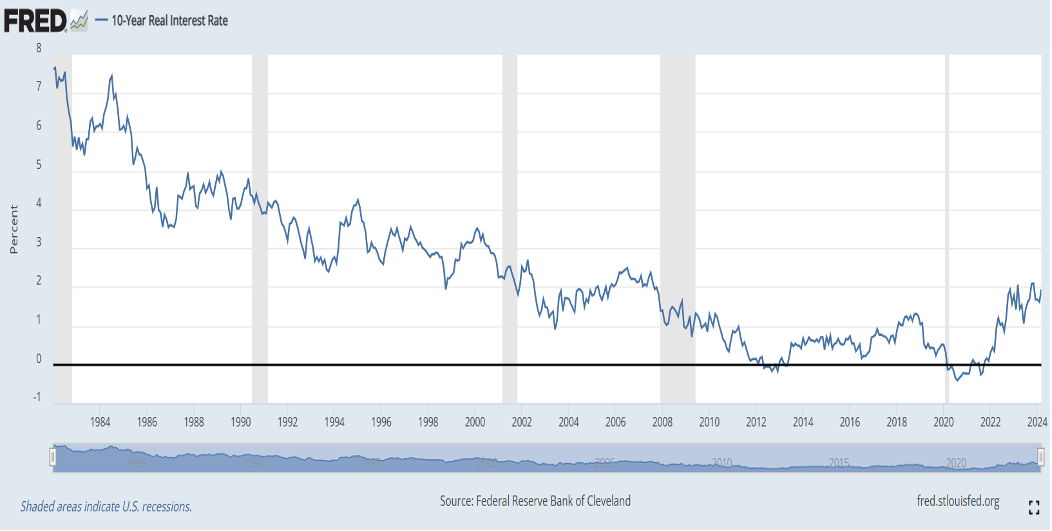
Chairman Powell and the Fed have consistently said they want real rates. The Fed primarily focuses on the Personal Consumption Expenditures (PCE) as their gauge of inflation. Currently the PCE is at 2.7%. What the Fed has not said is the target level of real rates. Historically, real rates as measured by the St. Louis Fed have averaged about 3.0% although the trend line has decreased steadily since the 1980s (see graph below). With the PCE at 2.7% today a 2% to 3% real rate would suggest a 4.70% to 5.70% 10-year Treasury nominal rate. With the 10-year Treasury at 4.66% today, it would seem that there is no reason for any cut in rates by the Fed. In fact, there may be more reason to increase rates.

The question remains… where will inflation (as measured by the PCE) level off? Who knows since there are too many factors to consider. The major causes of inflation today seem to be:

  1. Excessive Government Spending

Biden 2025 budget of $7.3 trillion is 12.3% higher than the 2024 budget of $6.5 trillion. Jamie Dimon, CEO of JP Morgan Chase, warns that excessive deficit spending is inflationary and that interest rates could spike up to 8%. The Biden Administration Student Loan forgiveness package could increase the deficit by $430 billion if successful.

  • Oil Prices

       West Texas Intermediate (WTI) Crude oil prices are up over 19% in 2024.

  • Red Sea Attacks

About 12% of global trade goes through here to the Suez Canal. Ships now have to be rerouted around southern tip of Africa creating a delay of about two weeks at a cost of $3,786 per vessel or about $1 million per week. According to Drewry World Container Index costs are up over 90% YoY.

  • Francis Scott Key Bridge Collapse

One of the largest ports in America handling $80 billion in cargo annually. Estimated closure costs = $15 million per day with closure expected for two to three years.

As always, the motto “let the buyer beware” (Caveat Emptor) seems to apply here.

Tricky? Not Sure Why!

By: Russ Kamp, Managing Director, Ryan ALM, Inc.

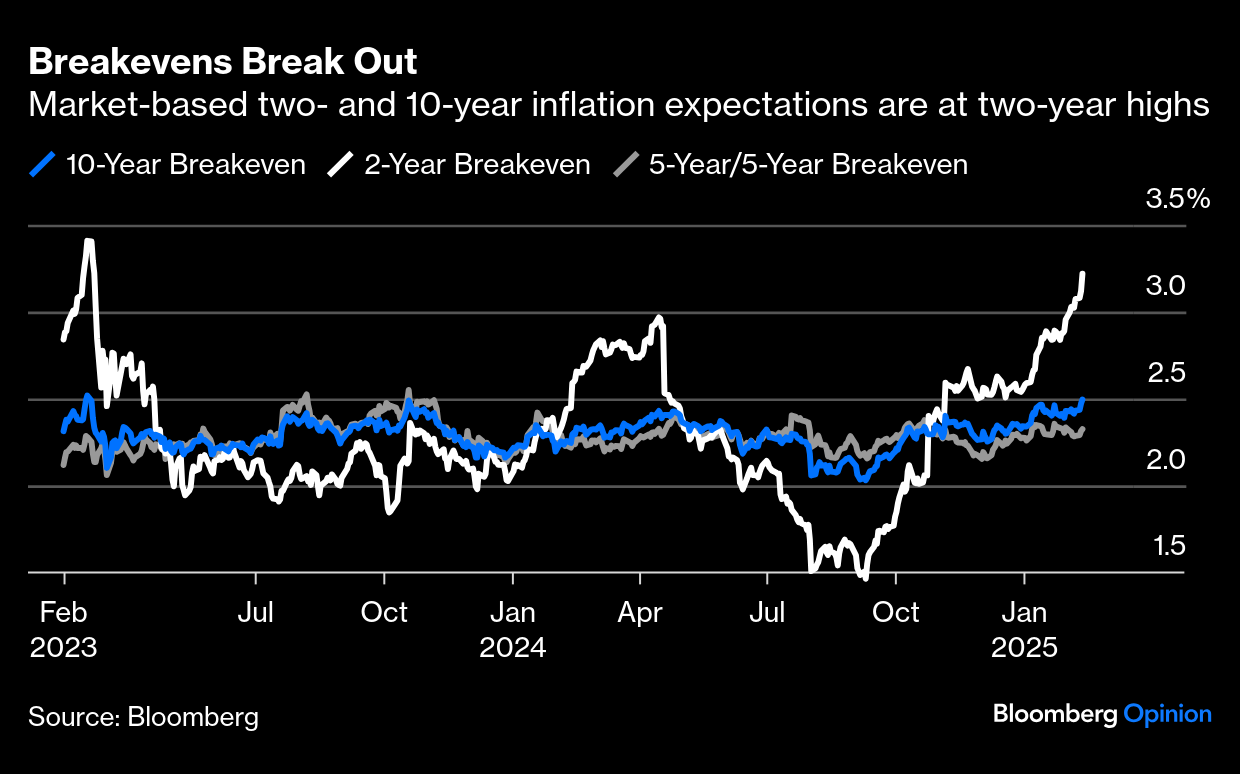
The WSJ produced an article on April 22, 2024 titled, “Path for 10-Year U.S. Treasury Yield to 5% Is Possible but Tricky” At the time of publication, the 10-year Treasury note yield was just under 4.7%. It is currently at 4.66%. Those providing commentary talked about the need to further reduce expectations for potential rate cuts of another 25 to 40 basis points. As you may recall, there were significantly greater forecasts of rate cuts at the beginning of 2024, but those have been scaled back in dramatic fashion.

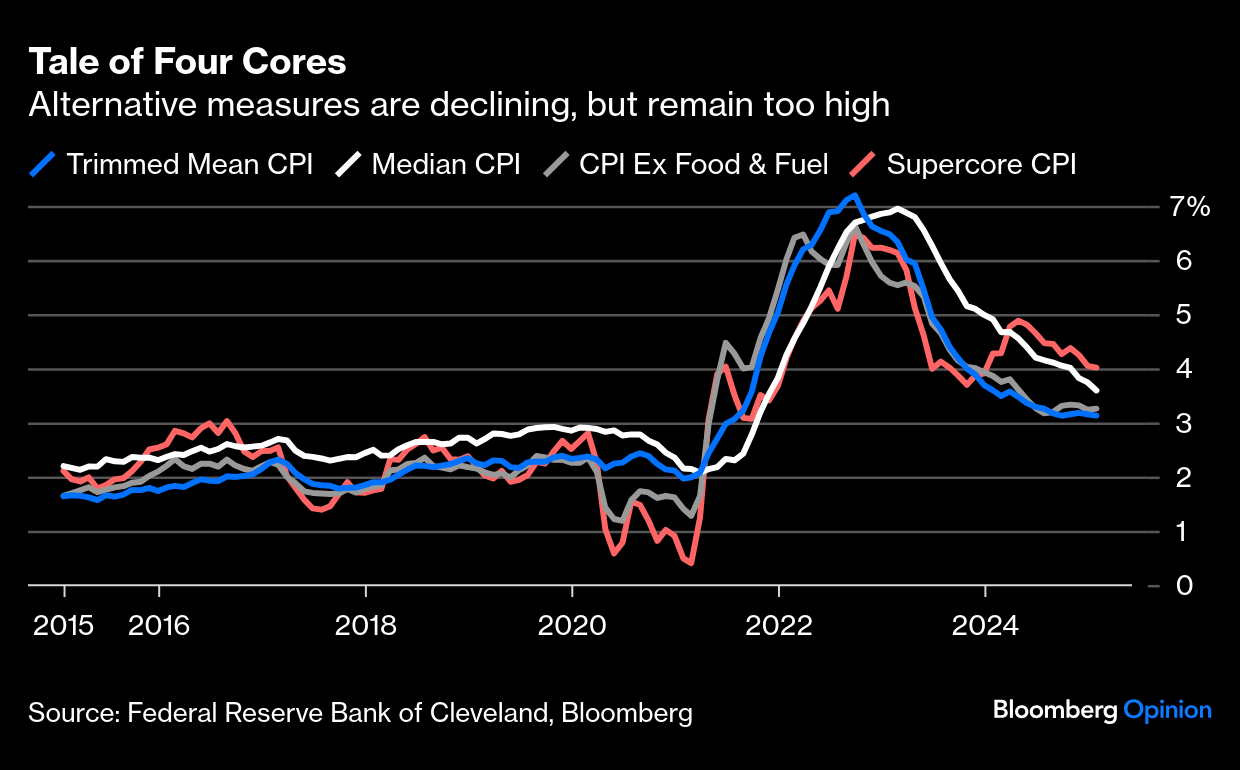
Given the current inflationary landscape in which the Consumer Price Index for All Urban Consumers (CPI-U) increased 0.4 percent in March and 3.5% annually, a move toward 5% for the US 10-year Treasury note’s yield shouldn’t be surprising or tricky. According to the graph below, the US 10-year yield has averaged a “real” yield of nearly 2% (1.934%) since 1984. A 2% inflation premium would place today’s 10-year Treasury note yield at roughly 5.6%.

Given the current economic conditions (2.9% GDP growth for Q1’24) and labor market strength (3.8% unemployment rate), it certainly doesn’t seem like the Fed’s “aggressive” action elevating the Fed Funds Rate from 0 to 5.5% today has had the impact that was anticipated. Inflation in 2024 has been sticky and may in fact be increasing. Should geopolitical issues grow in magnitude, inflation may get worse. These current conditions don’t say to me that a move to a 5% 10-year Treasury note yield should be tricky at all. As a reminder, the yield on this note hit 4.99% in late October 2023. Financial conditions have not gotten more restrictive since then.

Should the Treasury yield curve ratchet higher, with the 10-year eventually eclipsing 5%, plan sponsors would have a wonderful opportunity to secure the future promised benefits at significantly reduced cost in present value terms, especially if the cash flow matching portfolio used investment grade corporate bonds with premium yields. Although US corporate bond spreads are tight relative to average spreads, they still provide a healthy premium. Don’t let this rate environment pass without taking some risk from your plan’s asset allocation. We’ve seen that scenario unfold before and the outcome is scary.

What Are the Stats Telling Us?

By: Russ Kamp, Managing Director, Ryan ALM, Inc.

Mark Twain quoted Benjamin Disraeli in his 1907 autobiography, when he stated “Lies, damned lies, and statistics” as a phrase used to describe the persuasive power of statistics to support weak arguments. Folks who regularly read my posts know that I am a frequent user of statistics to support my arguments, whether they are strong or weak. As a young man, I would study the sports section box scores and the backs of my baseball cards for every possible stat. It is just who I am. I love #s!

The investment management industry is inundated with statistics. You can’t go a day without a meaningful insight being shared in reference to our industry, the economy, interest rates, politics, companies, commodities, etc. I try to absorb as many of these stats as possible. However, it is easy to fall prey to confirmation bias, which humans are prone. Putting a series of statistics together and building an investment case is never easy. That said, we at Ryan ALM, Inc. have been saying since the onset of higher rates that the US Federal Reserve would likely be forced to keep rates higher for longer, as inflation would remain stickier than originally forecast.

We also didn’t see a recession on the horizon due to an incredibly strong US labor market, which continues to witness near historic lows for unemployment. Despite the retiring of the Baby Boomer generation, the labor participation rate is up marginally during this period of higher rates, indicating that more folks are looking for employment opportunities at this time. They are being supported by the fact that job openings remain quite elevated relative to pre-Covid-19 levels at roughly 880k. When people work, they spend! Wage growth recently surprised to the upside. Will demand for goods and services follow? It usually does.

Furthermore, as we’ve disclosed on many occasions, financial conditions are NOT tight despite the rapid rise in US interest rates from the depths induced by the pandemic. Long-term US rates remain below the 50-year average, and in the case of the US 10-year Treasury note, the yield difference is roughly -2.1%. Does that give the Fed some room to possibly increase rates should inflation remain elusive?

In just the past week, we’ve had oil touch $85/barrel, the Atlanta Fed’s GDPNow model increase its forecast for Q1’24 growth from 2.3% to 2.8%, a Baltimore bridge collapse that will impact shipping and create additional expense and delays, housing that once again exceeded expectations, Fed (Powell) announcements that a recession wasn’t on the horizon, job growth (ADP) that was the highest in 8 months, manufacturing that stopped contracting for the first time since 2022 (17 months), and on and on and… Am I kidding myself that our case for higher for longer is the right call? Am I only using certain stats to “confirm” the Ryan ALM argument?

We don’t know. But here is the good news. Our investment strategy doesn’t care. As cash flow matching experts, we are agnostic as to the direction of rates. Yes, higher rates mean lower costs to defease those future benefit promises, so higher rates are good. However, once we match asset cashflows of interest and principal to the liability cash flows (benefit payments and expenses), the direction of rates becomes irrelevant, as future values are not interest rate sensitive. Building an investment case for cash flow matching was challenging when rates were at historic lows. It is much easier today, as one can invest in high quality investment-grade corporate bonds and get yields in the range of 5%-5.5%, which is a significant percent of the average return on asset assumption (ROA) with much less risk and volatility of investing in equities and other alternatives.

I don’t personally see a case for the Fed to cut rates in the near future. I think that it would be a huge mistake to once again ease monetary policy before the Fed’s objective has been achieved. I lived through the ’70s and witnessed first-hand the impact on the economy when the Fed took its collective foot off the brake. As a result, I entered this industry in 1981 when the 10-year Treasury yield was at 14.9%. The Fed can’t afford to repeat the sins of the past. I believe that they know that and as a result, they won’t act impulsively this time.

Are We Witnessing a Heavy Weight Fight?

By: Russ Kamp, Managing Director, Ryan ALM, Inc.

Most everyone is aware that monetary policy has gotten much tighter than we’ve witnessed in multiple decades, especially on the heels of the Fed’s zero interest rate policy (ZIRP). As a reminder, the Federal Reserve began raising the Fed Funds Rate (FFR) on March 17, 2022. After 2 years of their tightening action designed to combat inflation, the Fed Funds Rate sits at 5.25%-5.5%, where it has been for the last 1/2 year. Has the Fed’s action achieved its primary objective of price stability? No, but they’ve certainly made strides toward that quest seeing inflation fall from a high of 8.4% in July 2022 to February’s 3.2% reading. Furthermore, neither the economy nor the labor force have collapsed.

I recall when the Fed first began raising the FFR, they anticipated that both the economy and labor force would be impacted. In fact, I remember seeing estimates that the unemployment rate would likely elevate to between 4.5% and 5% as a result of this action, and the economy would most likely fall into recession. Thankfully, neither event has occurred. Why? Despite the aggressive Fed action to raise interest rates, financial conditions are not that tight. In fact, as I wrote in yesterday’s post, by some measures, financial conditions are actually easier than they were before the first rate increase.

Could it be that the Federal government’s budget is the reason behind the economy and labor market’s strength despite “aggressive” monetary policy? The Office of Management and Budget (OMB) estimates that the Federal budget for fiscal year 2024 will ultimately produce a deficit of roughly $1.6 trillion. Furthermore, 2025’s budget is forecast to create a deficit of $1.8 trillion. This is incredible stimulus that is being provided to the US economy. It is in direct conflict to what the Fed is trying to accomplish. First, I don’t believe that the current level of interest rates is that high, especially by historical standards, but they definitely aren’t high enough to combat the government’s deficit spending at this time.

As a reminder, when the government deficit spends, those $s flow into the private sector in the form of income which leads to greater spending and corporate profits, which we are witnessing at this time. This conflict between monetary policy and fiscal policy is what I’m defining as the heavyweight battle. Which policy action will ultimately prevail? Back in the 1970’s monetary policy became quite aggressive leading to double digit interest rates that bled into the early 1980s. There were many factors that created the excessive inflation that ultimately had to be curtailed with unprecedented Fed action. What the Fed didn’t have to do was fight the Federal government budget.

During the 1970s, the average budget deficit was only $35 billion. Yes, that is correct. The peak deficit occurred in 1976 at $74.7 billion , while 1970’s deficit of $2.8 billion was the lowest. In case you are wondering, the $35 billion average deficit would equate to roughly $153 billion in today’s $s or <1/10th of 2024’s expected deficit. Clearly, there was little excess spending/stimulus created by the Federal government at that time for which monetary policy had to combat. So, again, the US doesn’t have a debt problem. It has an income problem! The excess stimulus is elevating economic activity, keeping workers employed and spending, while corporate America produces the goods and services that are being demanded, leading to excess profit growth that continue to fuel the stock market.

As you can see, this tug of war or heavy weight battle is far from decided. I don’t believe that US interest rates are high enough to truly impact economic activity and the labor force, which continues to enjoy sub 4% unemployment rates. We either need rates to rise more, government deficits to shrink, or a combination of both before we see the Fed achieve its goal of a 2% sustained inflation rate. Let’s pray that our very uncertain geopolitical environment doesn’t take a turn for the worse with further escalation of the Ukraine/Russia war or worse yet, conflict in Southeast Asia between China and Taiwan. Our inflation story could get much worse under those scenarios.

Housing Rental Expense killing DC contributions?

Despite the fact that inflation, as measured by the CPI, seems to be contained, rental expense for housing has jumped significantly in the US during the last decade.  As a country we are moving away from being a home ownership society to one that rents housing, as home ownership is now at its lowest since 1967! Furthermore, the only reason the home ownership rate is as “high” as it is, is due to homeowners in the 65 and over age group. For everyone else, home ownership rates are now the lowest recorded.

Compounding this problem is the fact that US household incomes are 7.2% less than they were in 1999. The lower incomes are being crushed by rising housing costs, medical expenses / insurance and education. Is it no wonder that folks don’t have any additional resources to fund their DC plans? What percentage of the US population really has discretionary income at this time?

According to the “State of the Nation’s Housing” report released by the Center for Housing Studies at Harvard, which showed that while inflation among most products and services may indeed be roughly as the Fed and BLS represent it, when it comes to rent things have never been worse.

According to the report, 2013 marked another year with a record-high number of cost burdened households – those paying more than 30 percent of income for housing. In the United States, 20.7 million renter households (49.0 percent) were cost burdened in 2013.  Alarmingly, 11.2 million (25%) all renter households, had “severe cost burdens, paying more than half of income for housing.” The median US renter household earned $32,700 in 2013 and spent $900 per month on housing costs.

So, do you still believe that the failure to fund defined contribution plans is because we have a population hellbent on consumption? The demise of the DB plan means that a significant percentage of our population will never be able to make adequate contributions (if any) into their retirement plan. The social and economic consequences for our country will be grave.

Retire the US Treasury debt on the Federal Reserve’s balance sheet

An interesting idea floating around, most recently heard through Mark Grant, is that the US Treasury should retire the Treasury debt currently held on the Federal Reserve’s balance sheet.  Mark believes that the retirement of $1 trillion of the slightly more than $2 trillion in Treasury notes and Bonds on the balance sheet would eliminate near-term debt ceiling discussions and potentially reduce rates in the short-term.  We at Kamp Consulting Solutions like this idea very much.  Chuck DuBois, a former partner of mine while we were both at Invesco, has been touting this idea for a while, too.  We believe that the entire debt could be retired at once, but there are many investors who like the idea of holding US Treasury bonds and notes for investment purposes.

There are many market participants who fear that the retirement of the US debt would be inflationary, but in reality the swap of bonds with reserves actually reduces liquidity because the bonds are higher yielding.  Furthermore, many of the bonds are being used as longer-term investments, and it is likely that the reserves received in the swap would be reinvested in longer-dated securities and not used for short-term economic activity.

I’m tired of hearing about the debt ceiling, and the debates in DC as to whether this artificial ceiling should be raised.  I suspect that you may be, too.  Let’s retire some of the debt today, and eliminate this conversation from happening for a while.