
By: Russ Kamp, CEO, Ryan ALM, Inc.
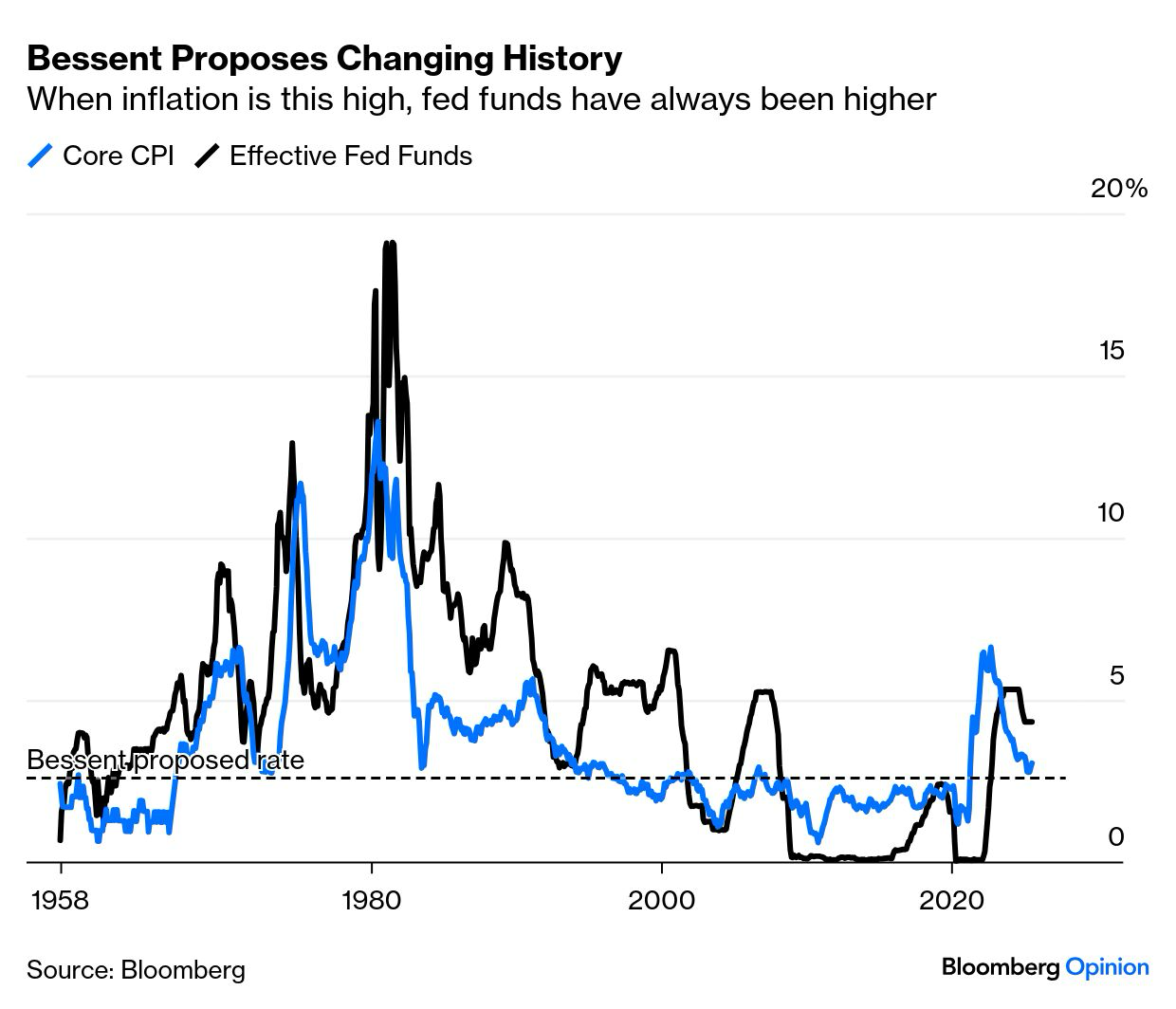
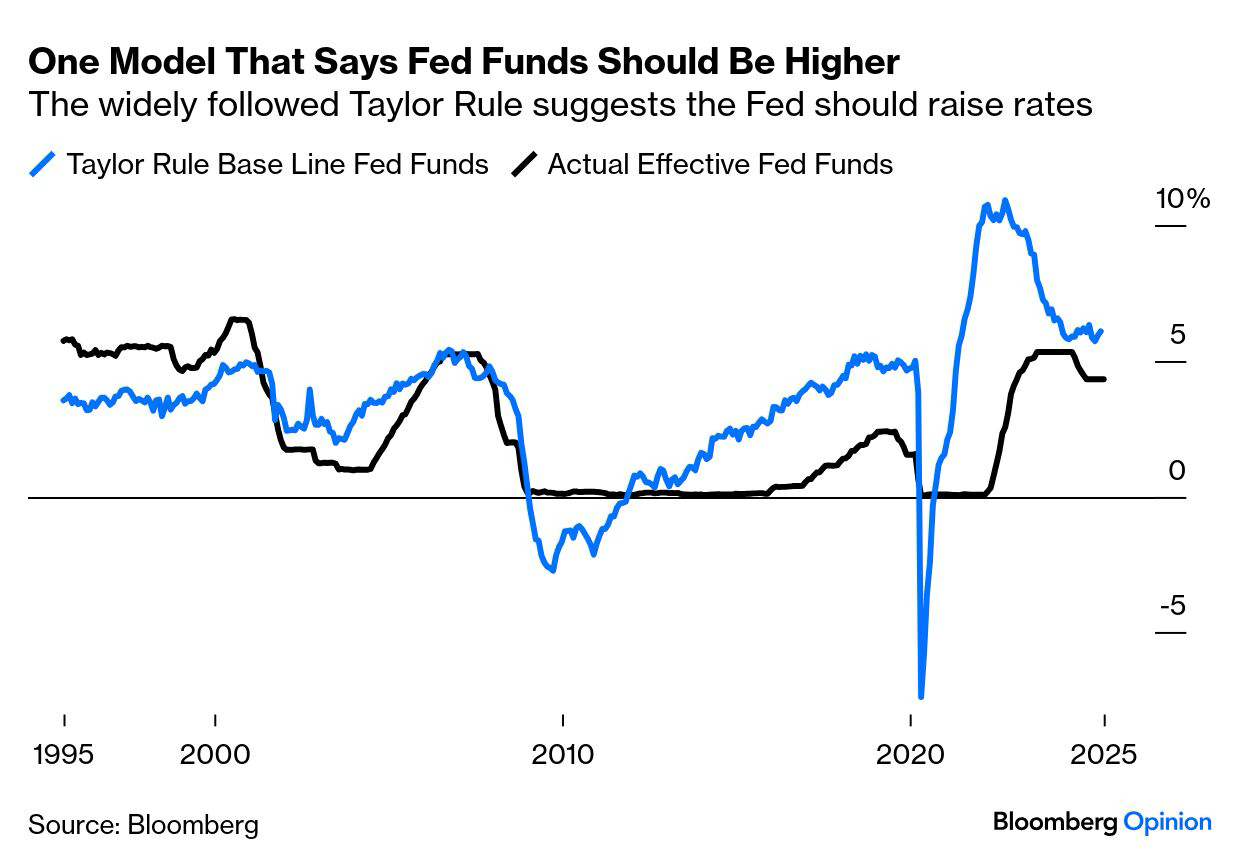
Unfortunately, there exists weakness in the U.S. labor force, as a notable deterioration in job creation, initial jobless claims, and job openings is taking place at this time. This weakness will likely lead the Federal Reserve to lower U.S. interest rates at the next FOMC, which takes place next week with an announcement on the 18th. The current consensus is for a 0.25% reduction in the Fed Fund’s Rate to 4.0%-4.25%. There is also a rising expectation that the “cut” could be larger. That might be more hope than reality at this time, given the CPI’s 0.4% posting today.
So, if rates were to be lowered, who benefits and who gets hurt? Well, individuals seeking loans – mortgages, cars, student loans – certainly benefit. But individuals hoping to generate some income from savings and retirement assets get hurt, especially since these rates tend to be shorter maturity instruments. Who else is impacted? Fixed income asset managers will benefit if they are holding coupon bonds, as falling rates drive bond prices upward. However, those holding bonds with adjustable yields won’t benefit as much.
How about DB pension funds? Yes, those pension funds invested in U.S. fixed income will likely see asset appreciation. However, both public and multiemployer plans have dramatically reduced their average exposure to this asset class. According to P&I’s annual survey, multiemployer plans have 18.2% in U.S. domestic fixed income, while public plans have roughly 18.7% of plan assets dedicated to U.S. fixed income. As a point of reference, corporate plans have nearly half of the plan’s assets dedicate to fixed income (45.4%). As rates fall, these plans will see some appreciation providing a boost in their quest to achieve the desired ROA. Great!
However, let us not forget that pension liabilities will be negatively impacted by falling rates, as they are bond-like in nature and the present value of those liabilities will grow. This is what crushed DB pensions during the massive decline in interest rates from 1982 until 2021. A move down in rates will directly benefit less than 50% of the assets, if we are talking about a corporate plan, and <20% of the assets for multiemployer and public funds. However, 100% of the liabilities will be impacted! Doesn’t seem like a good trade-off. As a result, funded ratios will decline and funded status shortfalls will grow, leading to greater contributions.
Given the mismatch identified above, I’d recommend that you not celebrate a potential decline in rates if you are a plan sponsor or asset consultant, unless you are personally looking for a loan. I would also recommend that you align your plan’s asset cash flows (principal and income from bonds) with your liability cash flows (benefits and expenses) while rates remain moderately high. As I’ve stated many times in this blog, Pension America had a great opportunity to de-risk DB pensions in 1999 but failed to act. Please don’t let this opportunity slip by without appropriate action.
 Ryan ALM Blog