By: Russ Kamp, CEO, Ryan ALM, Inc.
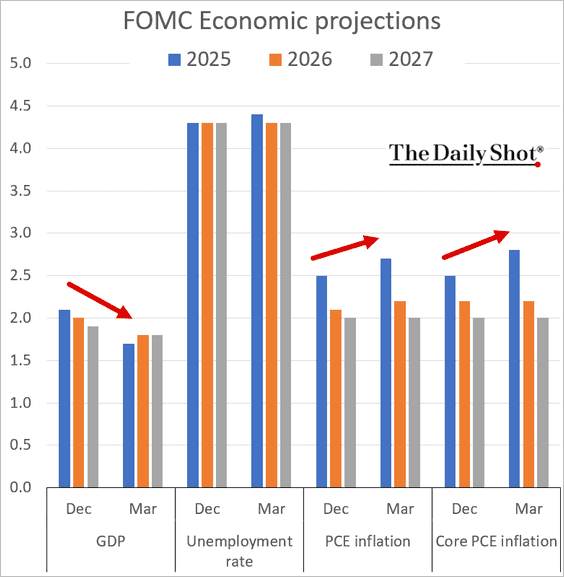
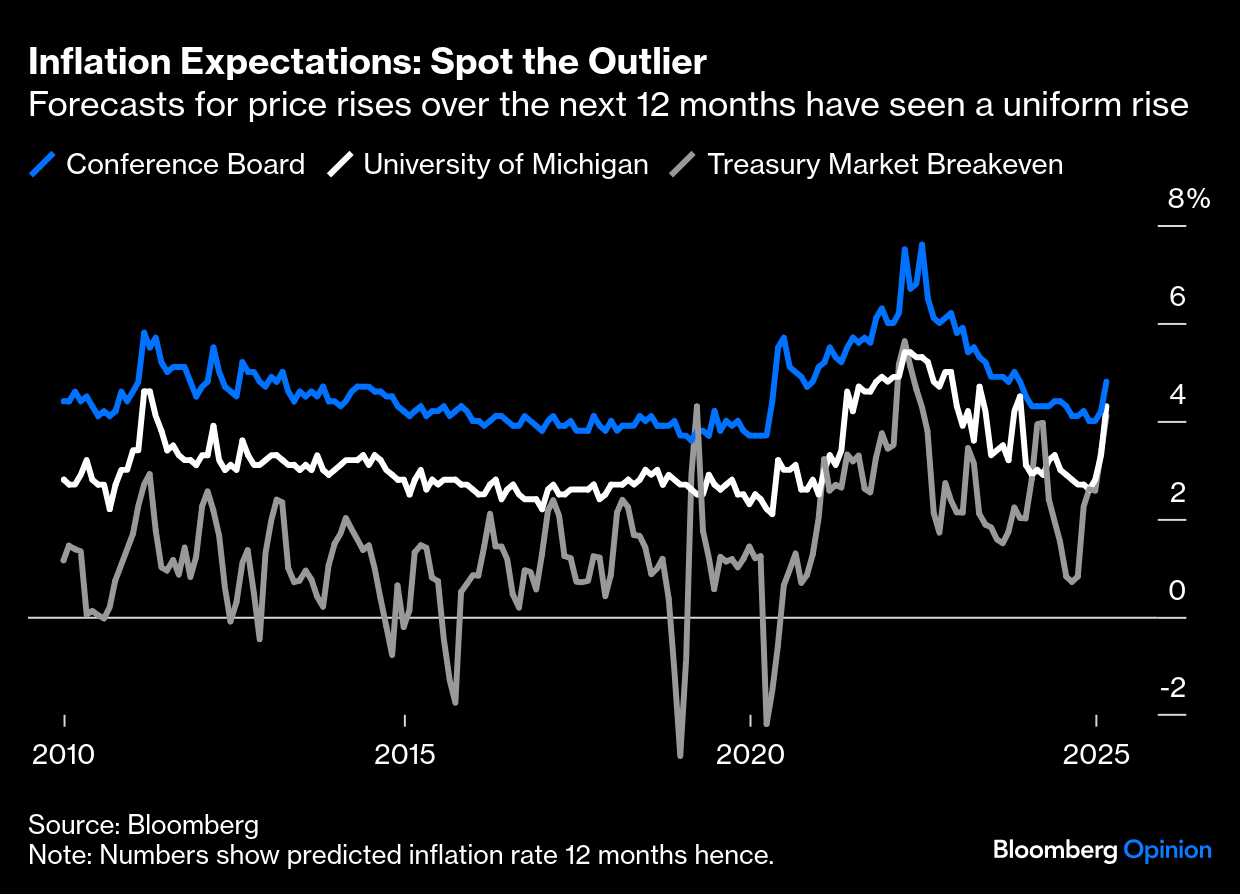
The U.S. capital markets are sending some interesting, and perhaps conflicting, signals. Treasury yields have risen dramatically, energy prices remain elevated, diesel supplies continue to be constrained, and corporate credit spreads are beginning to widen. Yet inflation expectations remain relatively well anchored and economic activity has held up surprisingly well. What are we to make of all this? I believe we may be witnessing the early stages of an environment tilting toward stagflation.
The problem, as I’ve written before, is that much of today’s inflation isn’t being created by excessive demand. It is being driven by supply issues, particularly within energy. The Fed can raise the Fed Funds rate by 25 basis points, 50 basis points, or perhaps much more, but none of those actions will produce another barrel of oil, gallon of diesel, or unit of refining capacity. Clearly, we aren’t going to plow fewer acres, ship less food, or stop moving goods around the country simply because interest rates have increased. Energy sources are embedded in virtually everything we produce and consume. Higher interest rates don’t fix that problem.
What higher rates can do is reduce demand elsewhere. Unfortunately, that means households get hit from both directions. They pay more for gasoline, food, utilities, and transportation because of the current energy supply issues, while simultaneously paying more for mortgages, auto loans, credit cards, and other financing because of the Fed. Businesses face the same squeeze through higher operating costs combined with a higher cost of capital. Is that really the prescription we want when the original inflationary driver is primarily a supply problem?
The markets are beginning to reflect this tension. The 10-year Treasury yield has moved well above 5% (currently 5.27% at 12:07 pm), producing an extraordinarily high real yield given that longer-term inflation expectations remain near the mid-2% range. At the same time, credit spreads have begun widening, while oil remains expensive and diesel markets remain stressed. Credit spreads aren’t signaling a crisis today, but the combination of these many factors bears careful watching. If credit conditions continue deteriorating while energy costs remain elevated, we’ll have an increasingly powerful stagflation cocktail based on stubborn inflation accompanied by weakening economic activity.
The Fed should obviously be concerned about inflation. However, I still question whether monetary policy can effectively address the inflationary environment that we’re experiencing without creating other problems in the process. The Fed can diminish demand. It cannot create supply. If energy prices remain elevated while real interest rates stay near more restrictive levels and credit conditions continue to deteriorate, we shouldn’t be surprised to see economic growth suffer. We’ll continue watching Treasury yields, inflation expectations, oil and diesel prices, and credit spreads closely as we monitor conditions for stagflation. Current economic conditions are beginning to get very interesting.