
By: Russ Kamp, CEO, Ryan ALM, Inc.
David Gates, of Bread fame, penned “If” in 1971. One of the more famous lyrics in the song is “if a picture paints a thousand words”. If the average picture paints 1,000 words, the image below paints about 1 million. I believe that the image of a rollercoaster is the perfect metaphor for traditional asset allocation strategies that have pension funds riding markets up and down and up and down until the plan fails. Failure in my opinion is measured by rising contribution expenses, the adoption of multiple tiers requiring employees to contribute more, work longer, and get less, and worse, the migration of new workers to defined contribution offerings, which are an unmitigated disaster for the average American worker.
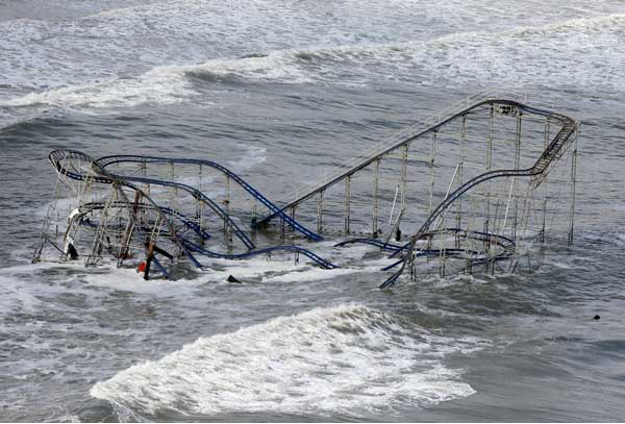
As you know, Pension America rode markets up in the ’80s (following a very challenging ’70s) and ’90s, only to have the ’00s drive funded ratios into the ground. The ’10s were very good following the Great Financial Crisis. The ’20s have been a mix of both good (’23 and ’24) and bad markets (’20 and ’22). Who knows where the next 5-years will take us. What I do know is that continuing to ride markets up and down is not working for the average public pension plan. The YTD performance for US equities (S&P 500 -13.2% as of 2:30 pm) coupled with a collapse in the Treasury yield curve is damaging pension funded ratios which had shown nice improvement.
Riding these markets up and down without trying to install a strategy to mitigate that undesirable path is imprudent. Subjecting the assets to the whims of the market in pursuit of some return target is silly. By installing a discipline (CFM) that secures the promised benefits, supplies the necessary liquidity, buys time for the growth assets, while stabilizing the funded status and contribution expenses seems to be a no-brainer. Yet, plan sponsors have been reluctant to change. Why?
What is the basis for the reluctance to adopt a modified asset allocation framework that has assets divided into two buckets – liquidity and growth? Do you enjoy the uncertainty of what markets will provide in terms of return? Do you believe that using CFM for a portion of the asset base reduces one’s responsibility? Do you not believe that the primary objective in managing a pension is to secure the promised benefits at a reasonable cost and with prudent risk? The only reason that the DB plan exists is to meet an obligation that has been promised to the plan participant. Like an insurance company or lottery system, why wouldn’t you want to create an investment program that has very little uncertainty?
 Ryan ALM Blog