How’s Your Risk Control?

The Natixis 2021 Investment Management survey has been released. In one segment of the review 166 investment professionals across North America, who collectively represent $3.9 trillion in client assets under management and are responsible for selecting the products and strategies, were asked to assess the current environment and potential risks. Here are the results:

  • 86% of those surveyed believe high valuations are distorted by super-low rates and those valuations don’t reflect company fundamentals (66%)
  • 71% think the stock market has grown at a rate that isn’t sustainable (YTD 2022 performance certainly supports that notion)
  • Their top portfolio risk concerns are now inflation (76%), interest rates (76%), and volatility (51%)

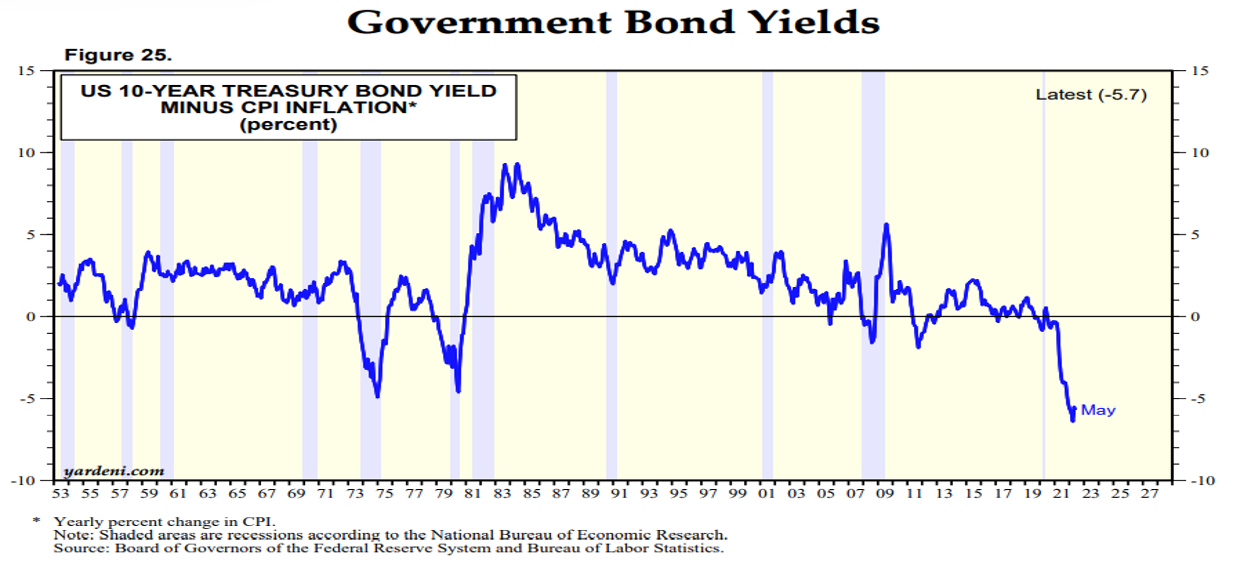
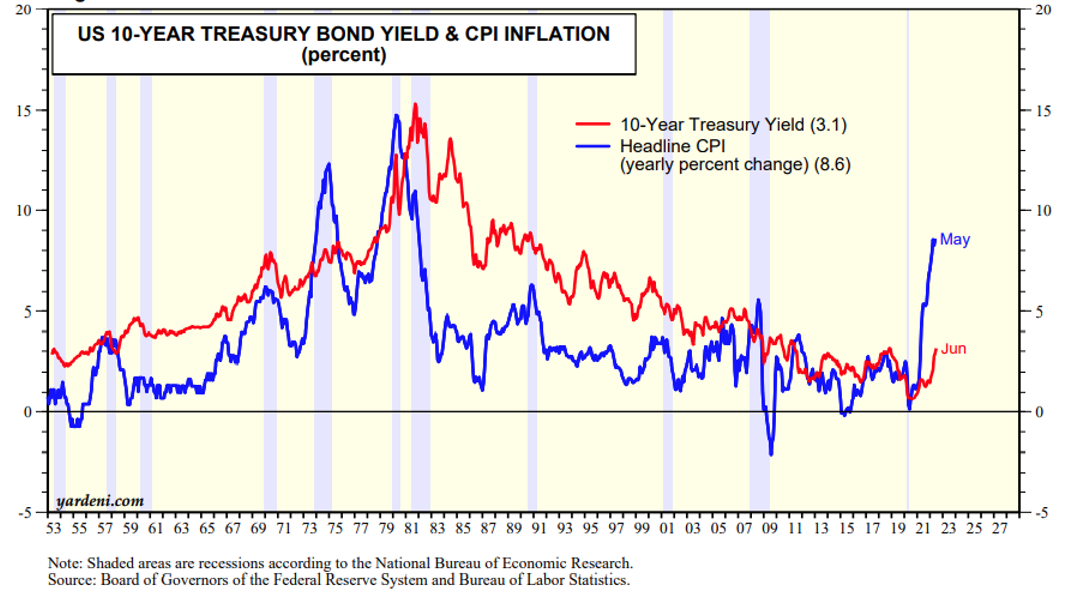
We certainly agree that the uncertainty surrounding rising US interest rates could profoundly impact US stocks. Higher inflation readings than those seen in the last several decades will likely lead to a meaningful seachange in direction for the US Federal Reserve and their dovish policy. If the historically low rates have distorted valuations, it won’t take much of a rise in rates to see equities begin to reflect their “true” valuations. Couple the concerns raised above with the possibility of war between Russia and Ukraine and you have a formula for significantly more volatility.

As a plan sponsor, what are you doing to address these concerns? Are you looking to take risks off the table following a sustained period of improved funded status? If not, why not? If your goal is to SECURE the promised benefits at a reasonable cost and with prudent risk, doing nothing is not acceptable. Not only are you likely to witness underperformance from equities, but from traditional fixed income products, too. As we’ve discussed in several previous blog posts, a modest rise in rates (30 bps) will create enough of a price loss on a 7-year duration bond to produce a negative return for the year. That isn’t much of an interest rate move given the current level of inflation.

Once again, we recommend that pension plans separate the asset allocation decision into liquidity or beta (bonds) and growth or alpha buckets (non-bonds). Convert your current fixed income assets from a total return orientation to one that uses bonds for the certainty of their cash flows to match the plan’s liability cash flows. This conversion will improve the plan’s liquidity allowing the remainder of the assets (alpha assets) to grow unencumbered. The buying of time (extending the investment horizon) is an incredibly important investment tenet. Not sure how to begin? We’ve been doing this for many decades, and we’d be happy to guide you through this process. Call us!

Baby Steps, but Progress None-the-Less

In the latest ARPA news, New York State Teamsters Conference Pension and Retirement Fund (Syracuse, NY) with >33,000 participants is the third MPRA pension suspension plan to file an application with the PBGC for the SFA. The estimated payout is slightly greater than $1 billion making it the third-largest anticipated federal grant that has been filed so far. Of the five applications that have been approved, we still only have two that have received payments. As a reminder, the PBGC has 120 days to either accept the application as is or reject the application requiring an amended filing, which starts the review clock all over.

There are still 19 Priority Group One applicants waiting to hear about their plan’s filing. In addition, there are 5 Priority Group Two plans that have yet to hear, and many more within this cohort that have yet to file. In total, it is estimated that more than 200 plans will be eligible to seek federal support through ARPA. Now, if we can only get the “Final Final Rules” on how to invest the grant money we’ll be firing on all cylinders.

Are We at Peak Equity Ownership?

Longview Economics produced the graph below, which appeared in John Authers’ (Bloomberg) post today.

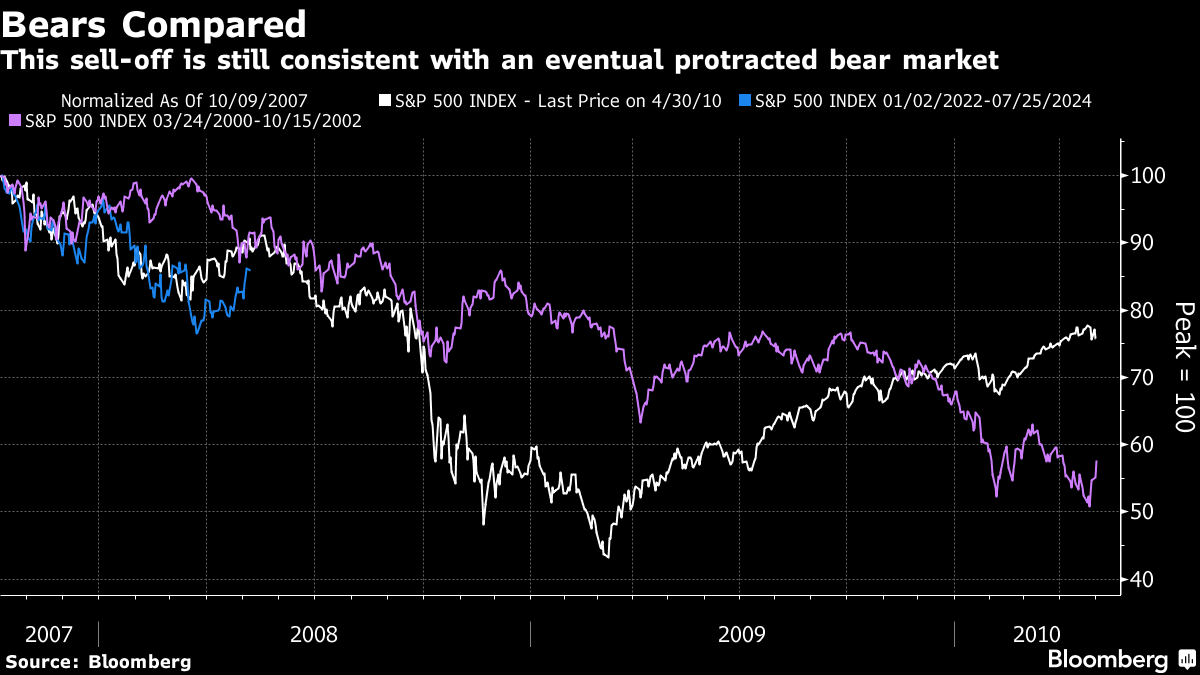
It certainly appears that the average US household is “all in” on equities! Previous peak ownership coincided with the massive unwinding of these positions from 1968 to 1982 and again from 2000 to 2009’s bottom. The unwinding that occurred during the decade of the ’00s witnessed two nearly 50% declines that wiped out incredible wealth, while significantly impairing the funded status for Pension America. Could we be on the cusp of a similar outcome? Will rising US interest rates be that catalyst? We’ve begun to see a great unwinding of historically low global short rates with the value of bonds with negative real rates is now at only roughly $6 trillion from an incredible $19 trillion in 2021.

As I reported earlier this year, inflows into US equity funds in 2021 (>$900 billion) eclipsed the total sum from the prior 19 years combined! Where is the fuel needed to sustain current levels of equity valuation? Will households maintain their current levels of ownership or will they begin to unwind? If the great unwinding occurs will it test the previous lows and what will that mean for US and global equity markets. Worse, what will it mean for our pension system that has made terrific strides in recent years to improve the long-term sustainability of these critically important programs?

Now is the time to rethink your asset allocation strategy, not once the household ownership is nearing levels last seen in early 2009. Secure those promised benefits by converting your current return-focused fixed income exposure into a cash flow matching program where assets and liabilities are carefully synchronized.

Much Ado About Nothing

There was an eye-popping headline on CNBC’s website, “Workers at private companies have amassed more than $400 million (my emphasis) in state-run retirement programs”. Sounds great, doesn’t it? That’s until one realizes that more than 430,000 accounts have been opened in California, Oregon, and Illinois since 2017’s initial launch. Regrettably, that equals ONLY about $930 per participant. That sum won’t get you much of a dignified retirement.

I believe that the only way for most individuals to save is through an employer-sponsored program. If one doesn’t exist, and it is estimated that roughly 57 million Americans don’t have access to an employer-sponsored plan, these state-sponsored programs could be useful in filling the void. More shocking to me than the minuscule account balances is the fact only 3 states have actually adopted legislation and implemented a program as of today. According to the article, 46 states have either adopted or “considered” legislation to sponsor a supplemental retirement program since 2012. Well, we know that three have implemented a program. What’s going on with the other 43? Furthermore, why are the other four not considering something at this time?

According to Vanguard’s latest report, workers appear to need all the help they can get, as the median account balance for individuals nearing retirement — those ages 55 to 64 — is only $84,714. Try living off the income produced from that account balance (roughly $1,700) in today’s low-interest-rate environment. I applaud the efforts of those that have engaged in this activity to provide a means to retirement security, but we need a greater sense of urgency if we are actually going to help the 57 million Americans who’ll find themselves at retirement’s door with few financial resources.

I remain convinced that the only way that we are going to have a majority of our workers ready for retirement is to have them participate in an employer-sponsored defined benefit plan (DB). As important as the effort is to provide workers with a state-sponsored retirement program, we are still asking untrained individuals to fund, manage, and then disburse a benefit with little knowledge on how to accomplish that objective.

ARPA Update – New Tracking System

No new Special Financial Assistance (SFA) grants have been approved this week, as we continue to sit with five pension plan applications that have been approved by the PBGC to date. However, the House Committee on Education and Labor that is Chaired by Congressman Bobby Scott (D., VA) has released a Multiemployer Pension Rescue Tracker to highlight the pensions “saved” and businesses protected under the American Rescue Plan Act (ARPA). To date, the ARPA legislation has supported through the SFA grants the pensions for 8,088 participants and roughly 170 businesses (contributing employers). The number of businesses may be inflated as some of these contributors may participate in more than one of the approved plans. It is a good start, but much more needs to be done as the five plans represent a very small subset of those plans that remain eligible to file and receive grant money.

More To Come?

Every once in a while you come across an article that just strikes a chord with you. I’m pleased to know Ron Surz, who is as passionate about trying to help our retirement industry as I am. The following article has been produced by Ron who has been elevating his concerns for years regarding traditional target-date funds. Given the fact that most of us only have access to a DC plan, coupled with current market levels, there is an urgency in his message that should be heeded. I hope that you find Ron’s insights compelling.

Most assets suffered losses at the start of the year 2022. Only commodities were spared as inflation, and inflation fears drove up their prices. Consequently, your 401(k) investments lost value. Target date funds of all vintages declined but — no surprise — safer TDFs defended. The “TO – THROUGH” TDF label is a distinction without a difference. “SAFE or RISKY” is much more meaningful. Defined benefit plans also suffered losses like 2040 TDFs since these roughly match DB allocations.

Legend has it that January performance predicts the performance for the year. There’s reason to believe that there’s more to come in 2022.

There is more to come

We enter 2022 with a host of economic threats:

  • COVID
  • Inflation
  • Stock market bubble
  • Bond price manipulation (ZIRP)
  • Unprecedented money printing

The Federal Reserve has tried to calm the investing public with a promise to control inflation, but this will not be easy. The Fed is caught in a cycle that will be hard to break. If it raises interest rates, stock and bond prices will fall. In a repeat of 2018, the Fed will be pressured to reverse course and try to jam interest rates back toward zero.

But 2022 is not like 2018 because we have serious inflation in 2022 at 7% and threatening to go higher. This time implementing a zero interest rate policy (ZIRP) will fuel the current inflation fire because it requires massive money printing. The Fed can’t have it both ways. It cannot control inflation and continue to buoy up stock and bond prices.

Current inflation is a combination of demand-pull due to supply shortages and cost-push due to $13 trillion in money printing, which is more than our 10 most expensive wars. It is not transitory.

A prediction

There’s a formula that explains stock returns

Return = Dividend Yield + (1 + Earnings Growth) X (1 + P/E expansion/contraction) – 1

The following table shows where we are now and highlights where we will be if P/Es revert to normal.

Stock return in 2022 mostly hinges on Price/Earnings (P/E) expansion or contraction. If multiples return to their historic average of 20, the stock market will decline by 40%. If multiples do not decline and remain at the current very elevated level of 35, the market will return 4%.

Investor psychology sets P/E. Investors are currently willing to pay a handsome premium for earnings. It’s a bubble., although it has not yet burst so it’s not yet official. Market swings of 2% up and down on a daily basis signal investor trepidation. Investors are scared, and they should be.

Protecting against losses

The usual move to defend is into cash, but current inflation threats change the game. The move to safety needs to be into inflation-protected assets like Treasury Inflation-Protected Securities (TIPs), commodities, real assets like real estate, and even cryptocurrencies. This unprecedented situation requires unprecedented reactions.

Defined benefit plan sponsors could match assets to liabilities so both would decline in tandem, maintaining funded status. Alternatively, sponsors could move to safety while the Fed is doing whatever it needs to, with the intention to match (diminished) liabilities when it’s all over. It’s complicated. Thanks, Ron!

A few Pension Facts

Fact 1: Managing a pension plan is NOT an easy endeavor. In fact, it is incredibly difficult. Forecasting the size of one’s future workforce, their longevity, salary and benefit increases, inflation, market returns, contributions, etc. can be as difficult an actuarial exercise as exists. The fact that we have so many Americans collecting a pension in retirement is a testament to a job well done – by most! But we can and should be doing better.

It is truly unfortunate that traditional private defined benefit pension (DB) plans have nearly disappeared. They are hanging on for dear life within the multiemployer and public pension arenas. Some of these systems are doing incredibly well, while others continue to struggle for a variety of reasons. As contribution expenses ratchet higher and higher, as we’ve witnessed for more than two decades, it is inevitable that these systems will begin to face a similar struggle as we’ve witnessed in the private sector.

Fact 2: The primary objective in managing a DB pension is to SECURE the promised benefits at both reasonable cost and with prudent risk. The primary objective is NOT achieving a return on asset assumption (ROA) that in many cases is nothing more than a Goldilocks # driven by what “feels good” from a contribution standpoint. Given the lack of consistency in our accounting standards, it is understandable why there is confusion. There should NOT be two ways to measure US pension plan liabilities, especially when one (under GASB) allows for the discount rate to be the ROA that doesn’t adjust with changes in the US interest rate environment. Incredibly, we’ve gone through a nearly 40-year bull market for bonds as interest rates have plummeted. Yet, this fact could easily have been lost on those valuing their plan’s liabilities based on GASB accounting. It was not lost on our private sector.

Fact 3: There exists a schism within our pension community that leads to the great disconnect between the primary pension objective and what we have today. The ability to actually manage pension assets to pension liabilities is made more challenging by the fact that most asset consultants don’t have any way to value a plan’s liabilities on a regular basis. I have been given an opportunity to participate in a program for the IFEBP in February. I will be presenting along with two very senior and more than capable asset consultants. I had raised a point with my co-presenters about needing to reflect on the very first page of a performance report on the relationship of plan assets to a plan’s specific liabilities. I wrote a post several years ago that asked that question. When I raised this concern with my co-presenters one of them asked a simple question: “Where am I supposed to get this information?” And, there lies the problem.

We have incredibly talented folks within the pension community, whether I’m speaking about the plan sponsor or the actuary, asset consultant(s), investment managers, legal counsel, etc. But there is a general lack of communication among all of these important constituents that are holding us back. We must find a way to bring all of the insights together on a more comprehensive and frequent basis. There should be no impediment for an asset consultant to have the proper insight into how that plan’s liabilities are performing. Furthermore, the development of the asset allocation should reflect the plan’s funded status, while also taking into consideration where we are likely to be going with regard to the capital markets than where we have been. Communication will be the key to pension funding success.

Most pension plans, thanks to their custodians, know the value of their public investments on a daily basis. They gain knowledge of their private investments with a bit of a delay, but they still have a general idea of what the total assets are. Unfortunately, most plan sponsors of multiemployer and public plans have little knowledge of the price movements of a plan’s liabilities, despite the fact that the “pension promise” is the only reason why a plan exists in the first place. The accounting rules certainly don’t help, but one can get around this issue by pricing liabilities using a FAS AA Corporate discount rate that would reflect a more accurate value for a liability stream and doing so on a much more frequent basis through the production of a Custom Liability Index (CLI).

Fact 4: Inappropriate decisions can and have been made based on the belief that pension liabilities and a plan’s funded status were X, when in fact they were very different, with liabilities being far larger and the funded status much weaker, as we’ve migrated through this unprecedented declining US interest rate environment. Having greater knowledge of the true economics of a pension system may have led to different conclusions. With greater transparency comes greater insight. We should all be working with the same information. Why is a market-based discount rate appropriate for private pensions, but not public? Please don’t tell me it is because public plans are “perpetual”. We’ve seen many examples of municipalities that have frozen and then terminated their DB pension plan – so much for perpetual!

Anyone who knows Ron Ryan and I understands that we are staunch supporters of defined benefit plans. Our mission is to secure the promises that have been made to plan participants. We want DB plans to remain the primary retirement vehicle for the masses. But the battle is far from won. Success will only happen if we all work together to manage these plans through a greater focus on the benefit promises (liabilities). Can you imagine playing a football game, but only knowing what your team has scored but not the opponent? How can you possibly adjust your offense and defense to reflect the current scoreboard situation? Regrettably, that is how many of us have been managing pension plans to date. A rising US interest rate environment could be very helpful to pension funding, as the present value of future liabilities will fall. Wouldn’t it be nice to know that fact? In an environment in which rates rise modestly the return on plan liabilities will likely be negative. You don’t need a 7.25% return to be successful. There is the fallacy! You need asset growth to match or exceed liability growth. You need asset cash flows to match and fund liability cash flows.

ARPA Update – Making Progress

It is the end of January 2022 and we still don’t have the PBGC’s Final Final Rules, but that doesn’t mean that we aren’t making some progress. According to the latest update from the PBGC’s website, there are now 24 pension plans that have filed applications to receive the Special Financial Assistance (SFA), including a second plan, Ironworkers Local 17 Pension Fund, that has been filed as an “MPRA eligibility suspension” claimant. In addition to the filing activity, we now know that five applications have been approved and two of those have actually received payment. Terrific!

I’ve expressed my concern that we have all this activity going on without final rules from the PBGC pertaining to implementation, but I’m told that there will be no changes to the law that necessitate a “clawback” of the SFA. That is great news. We can only hope that any amendments to the current interpretation leads to the ability of these plans to secure more of the promised benefits. With only 24 plans having filed to date, there is much more to come. We’ll keep you updated.

It’s The Opposite of Market Timing

No one’s crystal ball is any clearer than the next person’s. Sure, there are investors who are more disciplined, experienced, perhaps brighter, and luckier, but no one has a true knowledge of what awaits. Given this reality, market pros often, and correctly so, warn about trying to market time major moves within asset classes. Each of those decisions needs two right calls – the getting out and just as important, the getting back in – in order to capitalize. This ability is rare, and it can be expensive, as moving assets in the cash markets can have a high opportunity cost.

For years, we at Ryan ALM have encouraged plans to adopt an alpha/beta approach to managing pension assets for the reason that market timing is challenging, to say the least. Sure, we’ve been encouraging plan sponsors and their asset consultants a little more aggressively at this time to adopt our strategy but not because we have any greater clarity on the future direction of markets, but because we know from history that what goes up eventually goes back down. Pension plans are enjoying an improved funding position. As we’ve said, it would be sinful to see the great work/improvement wasted.

In proposing a new approach to asset allocation we are admitting that we have no idea about the future behavior of markets – bonds or equities. Using our Cash Flow Matching (CDI) approach creates an improved liquidity profile that will insulate the portfolio from having to liquidate alpha assets (non-bonds) during periods of turbulence. Furthermore, the alpha assets now have time to grow unencumbered while they potentially wade through rocky markets, such as the one we are in right now. Earlier this week we wrote about the 39-year bull market in bonds (began in 1982). Are we at the end of this extraordinary period of time? Who knows, but I like the bet that we are much more likely to see rates rise than fall further from these levels.

In a rising rate environment, total return-oriented bond products will likely suffer principal losses sufficient to produce a negative annual return. Given this possibility, use bonds for their cash flows and specifically to match asset cash flows with liability cash flows (benefit payments). In this case, assets and liabilities will be carefully matched (future values) producing a relationship that eliminates interest rate risk, which could be substantial during the next bear market.

Cash Flow Matching is a tried and true portfolio strategy that currently supports both lottery systems and insurance companies. It was once how pension plans were managed in the U.S. This “sleep well at night” strategy should be used at all times, as using bonds for liquidity purposes makes far greater sense than sweeping dividends from equity portfolios that could potentially reinvest those dividends at higher projected growth rates. You also don’t want to be searching for liquidity in an environment when everything correlates to 1 and liquidity disappears, such as that which we experienced in 2008. Don’t try to time the market. Adopt an all-weather strategy that will make your pension plan much more efficient to manage. Remember, the primary objective in managing a DB pension plan is to SECURE the promised benefits at both reasonable cost and with prudent risk.

Just over $1 billion

To date, the PBGC has approved the Special Financial Assistance (SFA) for 4 plans totaling just over $1 billion in grant money. The largest of these allocations was to Local 707 (1/19/22) which will receive $812.3 million. It remains the case that only Local 138 has received their payment. I guess that isn’t too problematic since we still haven’t been informed by the PBGC regarding their Final, Final Rules pertaining to the legislation’s implementation. As you may recall, we got the Interim Final Rules last July just before plans in Group 1 were permitted to file an application for the SFA.

Presently, any SFA grant money received must remain segregated from the plan’s legacy assets and they must be invested in investment-grade (IG) bonds. The intent of the legislation was to provide funds to SECURE the promised benefits (and expenses). Many industry practitioners have been prodding the PBGC to expand the investible universe to include other assets (and asset classes). We have cautioned that any movement away from a defeased portfolio using bond cash flows to match and fund pension liabilities opens the plan to greater volatility and potentially less security. Based on the current rules, most plans aren’t going to be able to secure more than 8-10 years of benefits. Why risk shortening this timeframe even more.

One need only look at the beginning of 2022 to be reminded that risk assets don’t only rise in value. The S&P 500 is off -9.2% YTD, while the R2000 is down -14%, while NASDAQ has fallen nearly -15%. The sequencing of returns is a critical element in a plan’s ability to meet its future obligations. It would have been a travesty had any one of these plans received their SFA only to have it decline by >-10% out of the gate after investing in assets other than IG bonds. Furthermore, who is to say that equity markets can’t correct more from these levels. We’ve certainly witnessed far greater declines in the past.

Oh, and by the way, I may be discussing the implementation of the SFA proceeds, but the same can be said about POB proceeds. This recent market action following the issuance of more POB $ since 2003 is why there are critics of POBs. We believe that both SFA and POB assets should be used to defease a plan’s liabilities chronologically as far out as the allocation will permit. No games! Secure the promises that have been made to your plan participants. Allow yourself and them to sleep well at night.